What does a typical day look like when you wake up to Manhattan skyline views, walk to coffee, and catch a 10-minute train to work? If you are weighing a move from Manhattan or elsewhere in New Jersey, Downtown Jersey City offers a walkable, waterfront lifestyle with real convenience. In this guide, you will learn what daily life feels like, where to live, how you will commute, and what trade-offs to expect. Let’s dive in.
Why choose Downtown Jersey City
You get a compact, lively neighborhood that faces Lower Manhattan across the Hudson. The core blocks are highly walkable, with cafés, restaurants and services clustered near Newark Avenue, Grove Street, and Exchange Place. Public parks and the waterfront promenade give you easy outdoor time and skyline views.
Housing ranges from historic brownstones to modern high-rise condo and rental towers. The mix attracts Manhattan-based professionals and small families who want parks, schools, and fast transit.
Neighborhood feel by pocket
Paulus Hook
Tree-lined, historic blocks meet the waterfront here. You will find 19th-century brownstones alongside newer mid-rise and high-rise buildings. The area is calm by day and offers quick access to ferries and the Hudson River Waterfront Walkway.
Hamilton Park and Van Vorst Park
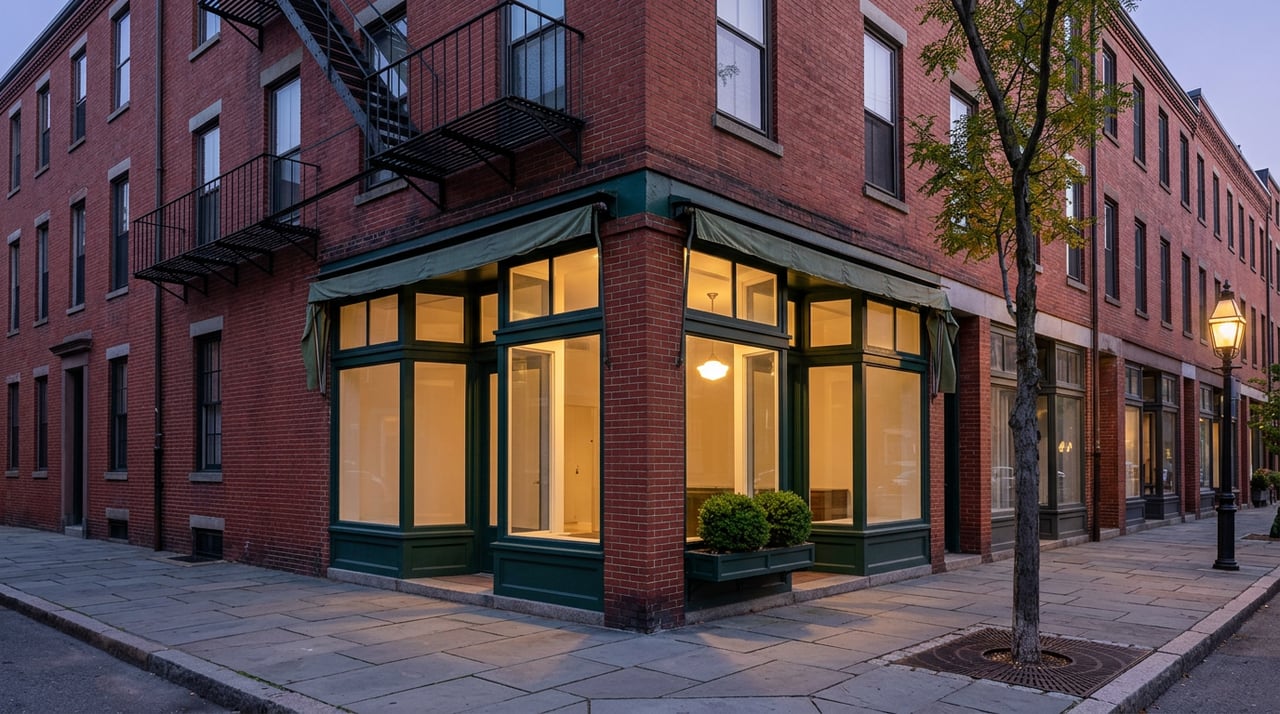
These residential pockets center on beloved parks with playgrounds, dog runs, and seasonal programming. Weekend farmers markets and community events make these blocks feel neighborly. Streets feature brownstones and low-rise homes with classic curb appeal.
Exchange Place and the waterfront
This is the glass-tower skyline of Jersey City. Residential towers cluster around major transit, many with amenity packages and direct promenade access. Expect energy during commute hours and postcard views of Manhattan all day.
Harsimus Cove and Grove Street
Close to dining and nightlife, this area blends low-rise buildings with newer developments. Grove Street serves as a hub for restaurants, cafés, and everyday services.
Housing at a glance
Waterfront towers
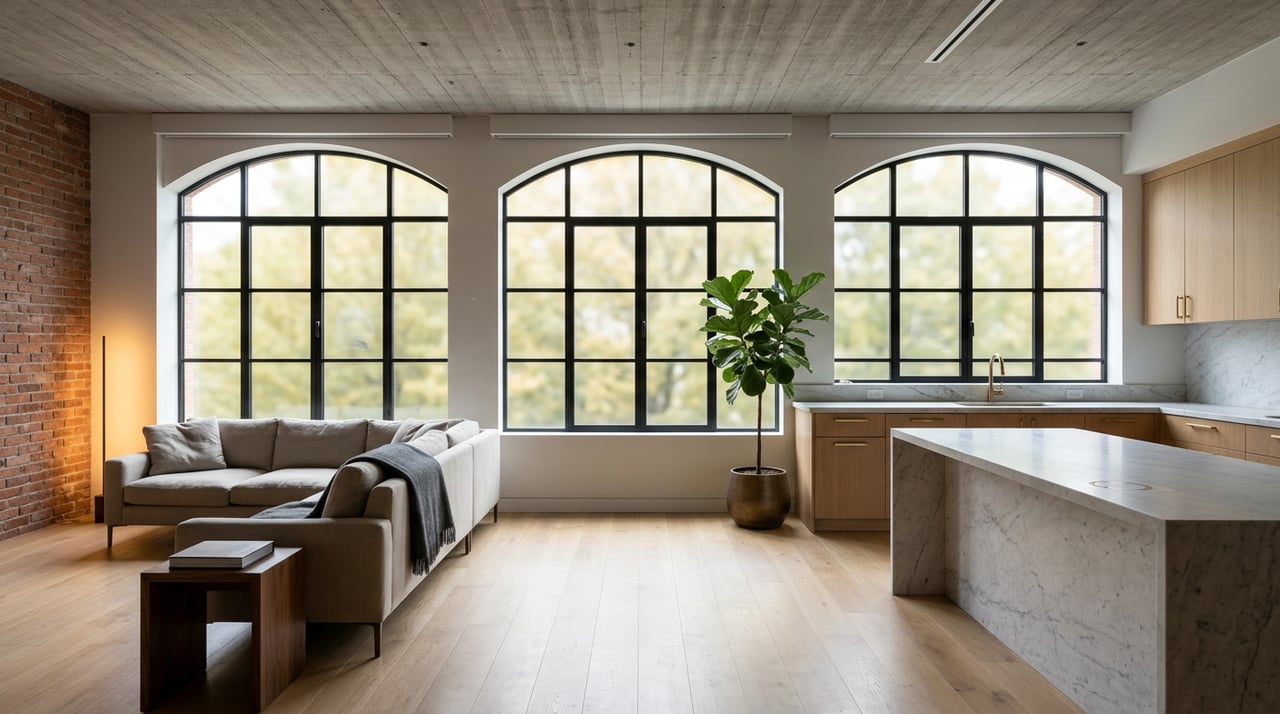
High-rise condos and rental buildings line the river and transit hubs. Typical amenities include doorman service, fitness centers, rooftop decks, indoor pools, concierge and sometimes on-site parking for an additional fee. Many units maximize light and views with large windows and balconies.
Historic brownstones
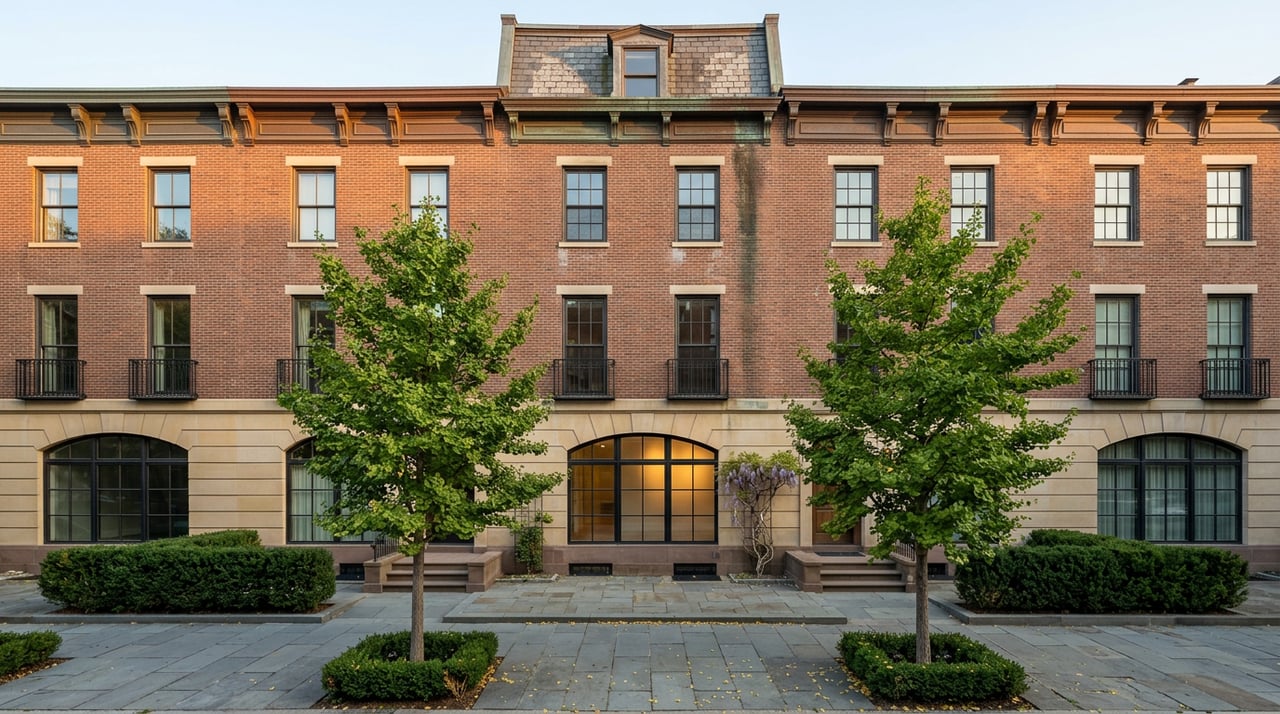
In Paulus Hook, Hamilton Park, and Van Vorst Park, you will find brownstones and rowhomes with pre-war details and tree-lined streets. Buyers often value small yards or patios and the neighborhood vibe around the parks.
Low and mid-rise condos
Converted buildings and newer low-rise developments fill out side streets. These can offer a balance of space, character, and location at a range of price points compared with premier waterfront towers.
Commute and mobility
The transit network is a major reason people choose Downtown Jersey City. PATH trains run 24/7, with stations at Exchange Place and Grove Street, and provide frequent service to the World Trade Center and connections to midtown. You can check routes and schedules on the official PATH site for details and updates at the Port Authority PATH page.
For a scenic ride, NY Waterway ferries operate from Paulus Hook and Exchange Place to Manhattan terminals. The Hudson Bergen Light Rail links downtown to nearby neighborhoods, Hoboken, and Bayonne, and creates options for reverse commutes. Local buses supplement service, and many residents choose not to own a car due to parking costs and Holland Tunnel traffic.
Pro tip: test your preferred commute during peak hours before you sign a lease or contract. Walk the route to your station or ferry, and note transfer options.
Parks and outdoor life
Hamilton Park and Van Vorst Park act as neighborhood living rooms, with playgrounds, dog runs, and seasonal community events. The Hudson River Waterfront Walkway and Exchange Place promenade offer daily jogs, dog walks, and sunset benches, with nonstop skyline views. You can find park maps and programs on Jersey City’s official site.
When you want bigger green space, trails, and museum time, Liberty State Park is nearby. It provides waterfront paths, access to Liberty Science Center, and ferries to Ellis Island and the Statue of Liberty.
Everyday essentials
You will have easy grocery, pharmacy, and fitness options, including national chains in nearby retail clusters and smaller specialty markets. Newark Avenue, Grove Street, and Exchange Place form the core daily-life corridors. For healthcare, residents use local clinics and hospitals in Jersey City, or select providers across the river depending on specialty and insurance.
Schools and family basics
Downtown is part of Jersey City Public Schools. Families often look at nearby elementary options, as well as citywide magnet and charter schools. Always confirm current assignment maps, application timelines, and enrollment policies directly with Jersey City Public Schools. Childcare availability varies, so it helps to research daycare and preschool waitlists early.
Costs and trade-offs
What you gain:
- Fast access to Manhattan jobs and culture
- Walkable daily life with parks, cafés, and services
- Modern amenities in newer buildings and skyline views
What to weigh:
- Smaller floor plans in many condos
- Parking scarcity and monthly costs in garages
- HOA or condo fees for amenities and building staffing
- A busier urban rhythm near transit and nightlife
Property taxes and HOA budgets vary by building and home type. Review what fees include, how reserves are funded, and any assessments in progress.
Buyer and renter checklist
- Confirm whether the home includes parking and storage, or get a monthly garage quote nearby.
- Review HOA or condo fees, budget, reserves, and recent meeting minutes.
- Request utility cost history and any maintenance records, especially for older buildings near the waterfront.
- Check school zones and programs, and verify timelines with the district.
- Walk your commute during peak times. Test both PATH and ferry if you will use them.
- Note street activity and noise patterns near nightlife or transit hubs.
Is Downtown Jersey City right for you?
If you want Manhattan-level access with more space, a neighborly park scene, and an active waterfront, downtown can be a great fit. You trade some private space and parking for convenience, amenities, and skyline views. The best way to decide is to see how you feel on the blocks you would live on.
If you are exploring next steps, connect with a local advisor who works both sides of the Hudson and understands building-by-building nuances. For tailored guidance and a plan that fits your goals, reach out to Gregory Cohen.
FAQs
How do PATH and ferries compare for commuting from Downtown Jersey City?
- PATH offers 24/7 service with frequent trains to the World Trade Center and midtown connections, while NY Waterway ferries provide a comfortable, scenic ride to Manhattan terminals. Test both to see which aligns with your schedule.
Where are the main transit stations in Downtown Jersey City?
- Exchange Place and Grove Street are the key PATH stops, and the Hudson Bergen Light Rail links downtown to Hoboken, Bayonne, and other local destinations.
What are the best outdoor spots near the waterfront?
- Hamilton Park, Van Vorst Park, the Exchange Place promenade, and the Hudson River Waterfront Walkway are popular. For bigger open space and trails, visit Liberty State Park.
Are there family-friendly services and schools nearby?
- Yes. You will find childcare centers, pediatric care, and neighborhood schools, with magnet and charter options citywide. Always verify zoning and timelines with Jersey City Public Schools.
What costs should I plan for beyond the purchase price or rent?
- Budget for HOA or condo fees, property taxes, and parking if needed. Review building reserves, staffing levels, and amenities to understand ongoing costs.
Do I need a car if I live in Downtown Jersey City?
- Many residents rely on PATH, ferries, and the Light Rail instead of owning a car. If you drive, plan for garage costs and Holland Tunnel traffic patterns.