Buying a NoHo loft or condo can feel thrilling and a little complex. The buildings are special, inventory is thin, and the details matter. In this guide, you’ll learn how the market works, what to expect in listings, price and ppsf signals, key legal checks for lofts, and how to craft a winning offer. Let’s dive in.
NoHo at a glance
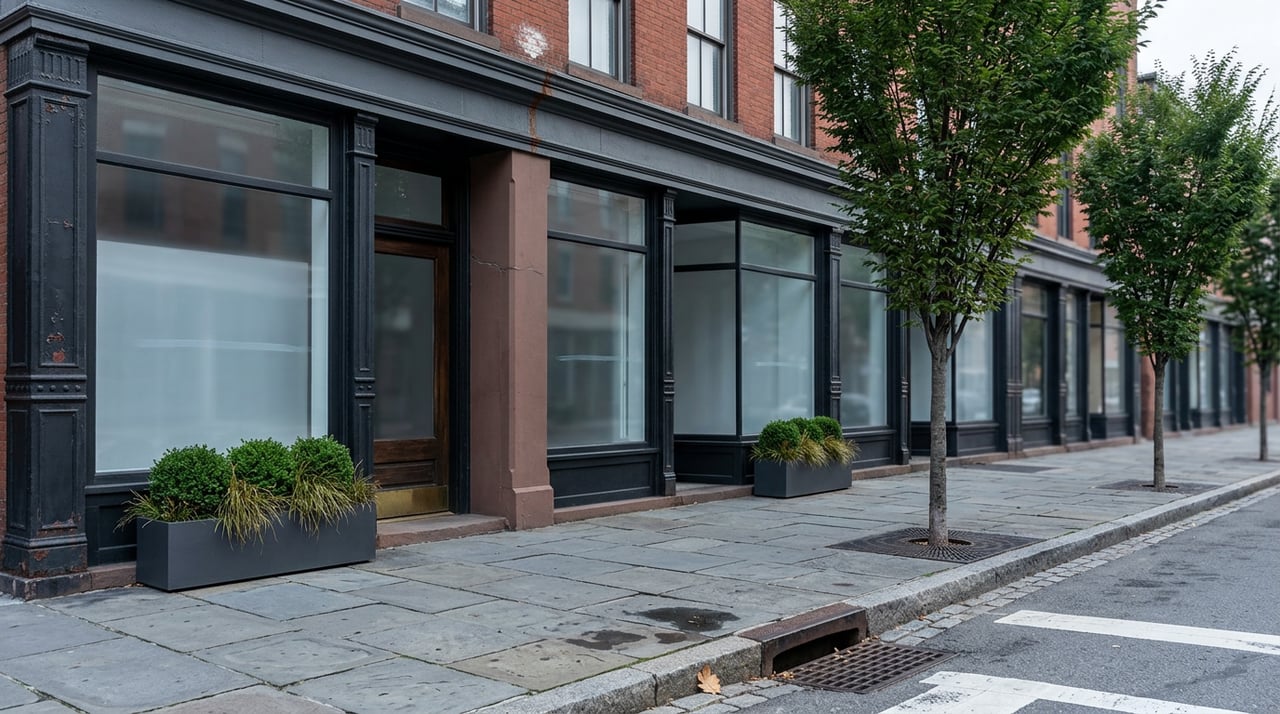
NoHo is a compact downtown district defined by cast‑iron facades, soaring lofts, and a protected historic core. The neighborhood’s landmark status helps preserve the architecture that buyers prize. You see tall windows, high ceilings, and character that is hard to replicate today. If you value history and design, the NoHo Historic District story explains why this area stands out.
Market snapshot and pricing reality
Because NoHo is small, a few sales can swing medians each month. Recent public sources have shown medians ranging from the low‑$2 millions to the mid‑$3 millions, which is why you should use building‑level comps before you price an offer. The Manhattan luxury segment also skews toward cash, which affects speed and negotiation. Recent reporting points to strong higher‑tier demand and a large cash‑buyer share, so you want proof‑of‑funds and timelines ready before you bid, especially in boutique buildings with few alternatives. See the context in the latest Miller Samuel Manhattan report.
Inventory and competition
Expect low, lumpy inventory. Some months see only a handful of closings, and a single architecturally notable loft can reset attention and pricing. That thin supply can create sudden competition when a standout unit hits the market. You can track the neighborhood’s small counts and price swings on PropertyShark’s NoHo trends.
What you’ll see on listings
NoHo’s core is historic conversions with the classic loft look: 10‑foot‑plus ceilings, oversized arched or casement windows, exposed beams, and open living plans. Listings often highlight ceiling height, window count, exposures, and whether the layout is open or already bedroomed. For a quick primer on common loft features, review this guide to buying a loft.
You’ll also find high‑design condos and boutique, architect‑led conversions. Buildings such as 40 Bond helped set a design benchmark for the neighborhood. The Schumacher at 36 Bleecker is another top‑tier example with loft volume and modern finishes; recent activity there shows upper‑range ppsf for quality conversions, as seen on The Schumacher building profile.
Price bands and ppsf signals
Think in ranges instead of a single number. Entry offerings can appear in the low‑to‑mid seven figures. Many two‑bedroom lofts and condos fall in the mid‑seven‑figure to low‑eight‑figure range. Architect‑grade full floors and townhome‑style residences can reach $5–10M or more.
Price per square foot also spans a wide spectrum. A recent snapshot showed a neighborhood median ppsf around $2,677, which is helpful as a midpoint but very sensitive to product mix. High‑spec conversions like The Schumacher often show ppsf in the low‑to‑mid $3,000s, while older, smaller conversions can trade closer to the high‑$1,000s per foot. Use building‑level comps and recent closings from the same or next‑best buildings as your guide, and keep PropertyShark’s NoHo trend data in view for context.
NoHo vs. SoHo
SoHo often carries a higher median thanks to global name recognition and its deep cast‑iron loft stock. NoHo can trade at a modest discount while offering similar architectural character and lighter tourist traffic. When you compare, lean on direct building comps and recent closings rather than broad neighborhood medians. You can see the relative trend lines on PropertyShark’s market pages.
Condo vs. co‑op essentials
Ownership type shapes everything from approvals to timelines.
- Co‑ops: You buy shares and receive a proprietary lease. Boards are hands‑on with approvals, subletting, and liquidity rules. Many require 20–30 percent down and strong post‑closing reserves. Closings can take longer due to board review. Learn the core differences in this condo vs. co‑op overview.
- Condos: You own the unit with a deed. Boards have limited power to block a sale. Condos typically close faster, are friendlier to investors, and allow more flexible financing. New conversions and sponsor sales can add rules on financing, resale, and abatements. For sponsor and offering plan items, see this NYC condo vs. co‑op guide.
What to request from listing to contract:
- For co‑ops: proprietary lease, house rules, 2–3 years of board minutes, audited financials, any underlying mortgage details, reserves, and sublet policy. These shape cost and approval odds. Reference the co‑op vs. condo checklist.
- For condos: offering plan if sponsor, bylaws, budget/financials, any assessments or punch‑list items, and rental rules. Ask whether the sponsor still holds unsold units.
Loft‑specific legal checks
Loft status can affect financing, renovations, and resale. Confirm legal residential use early.
- Verify a residential Certificate of Occupancy or Loft Board coverage under the Loft Law. Start with the NYC Loft Board rules.
- Review Department of Buildings permit and violation history and note any open or recent Loft Law legalization work. See NYC DOB’s Loft Law project guidance.
- In landmarked buildings, exterior changes face extra review. Plan renovations with the district’s guidelines in mind, as outlined in the NoHo Historic District overview.
Bottom line: Confirm legal use, permits, and any open violations before you rely on a layout or plan a renovation.
How to read a NoHo listing
Focus on the fields that change pricing and timeline.
- Property type: condo, co‑op, or condop. This drives approvals, costs, and closing speed.
- Square footage and ppsf: note how the area was measured. Some lofts report interior dimensions that differ from appraisal measurements.
- Monthly carrying cost: maintenance for co‑ops, common charges plus taxes for condos. Build your full monthly payment model.
- Floor, exposures, ceiling height, and window count. Ask whether it is a full‑floor, duplex, or townhome‑style unit.
- Building documents: financials available, board approval, sponsor restrictions, abatements, or assessments.
- Price history and days on market. Use recorded sales to validate comps and gauge leverage.
Pre‑offer due diligence checklist
Complete these items before you sign anything.
- Pull recorded sales history and prior transfers for the unit and building. Confirm liens and mortgage records through official city sources.
- Search DOB permits and violations for the building and unit. Confirm any Loft Board coverage or recent legalization work using the Loft Board rules and DOB Loft Law guidance.
- Request building financials, board minutes, reserve studies, and the proprietary lease or offering plan. Look for upcoming capital work or special assessments. See the co‑op vs. condo overview for key differences.
- Confirm financing parameters. Many co‑ops require higher down payments and post‑closing liquidity. Condos permit lower down payments but add mortgage recording tax and title insurance to closing costs.
- Size your offer using closed sales in the same building and the two most comparable nearby buildings. Treat neighborhood medians as background only.
Offer strategy in a cash‑heavy market
A clean, credible package improves your odds.
- Assemble proof‑of‑funds and a current mortgage pre‑approval before touring. Sellers favor well‑documented or all‑cash offers in this segment, a trend reflected in Manhattan luxury reporting.
- For co‑ops, start your board package early. Have financial statements, reference letters, resume, and a polished cover letter ready.
- For lofts with open legalization items, negotiate targeted contingencies, escrow holdbacks, or seller remediation timelines. Involve a lawyer experienced with Loft Law matters.
- Anchor pricing to closed comps and building‑specific supply. Move decisively when the right unit appears, since NoHo’s best listings do not linger when priced well.
Ready to buy in NoHo?
If you want a loft or condo in NoHo, you need building‑level comps, clear legal checks, and a tight offer plan. That is where hands‑on guidance makes a real difference. For personalized advice, comps, and a step‑by‑step plan tailored to your timeline, connect with Gregory Cohen.
FAQs
How is the NoHo market different from other NYC areas?
- NoHo is a small, landmarked loft district with thin, lumpy inventory and prices that move with a few sales. Use building‑level comps and monitor NoHo trends on PropertyShark for context.
What price per square foot should I expect in NoHo?
- Recent snapshots show a neighborhood median ppsf around $2,677, with a broader range from the high‑$1,000s to $3,000+ depending on building pedigree and finishes.
How fast do desirable NoHo lofts sell?
- Days on market vary by source, but well‑priced, high‑quality lofts can move quickly due to limited supply, so prepare proof‑of‑funds and financing early.
What are the key differences between condos and co‑ops in NoHo?
- Co‑ops often require larger down payments, strong reserves, and formal board approval, while condos close faster and allow more flexible financing and subletting; see this condo vs. co‑op overview.
What legal checks apply to NoHo lofts before I offer?
- Confirm residential C of O or Loft Board coverage, check DOB permits and violations, and verify any active Loft Law legalization work using the NYC Loft Board.