Looking for a calmer side of Manhattan can feel a little contradictory. You want the convenience, architecture, and central location, but you may not want to live on a block that feels busy around the clock. In Gramercy, that balance is part of the appeal. If you are considering a co-op or condo here, understanding the neighborhood’s building types, ownership structures, and quiet-living tradeoffs can help you focus on the right fit. Let’s dive in.
Why Gramercy Feels Quieter
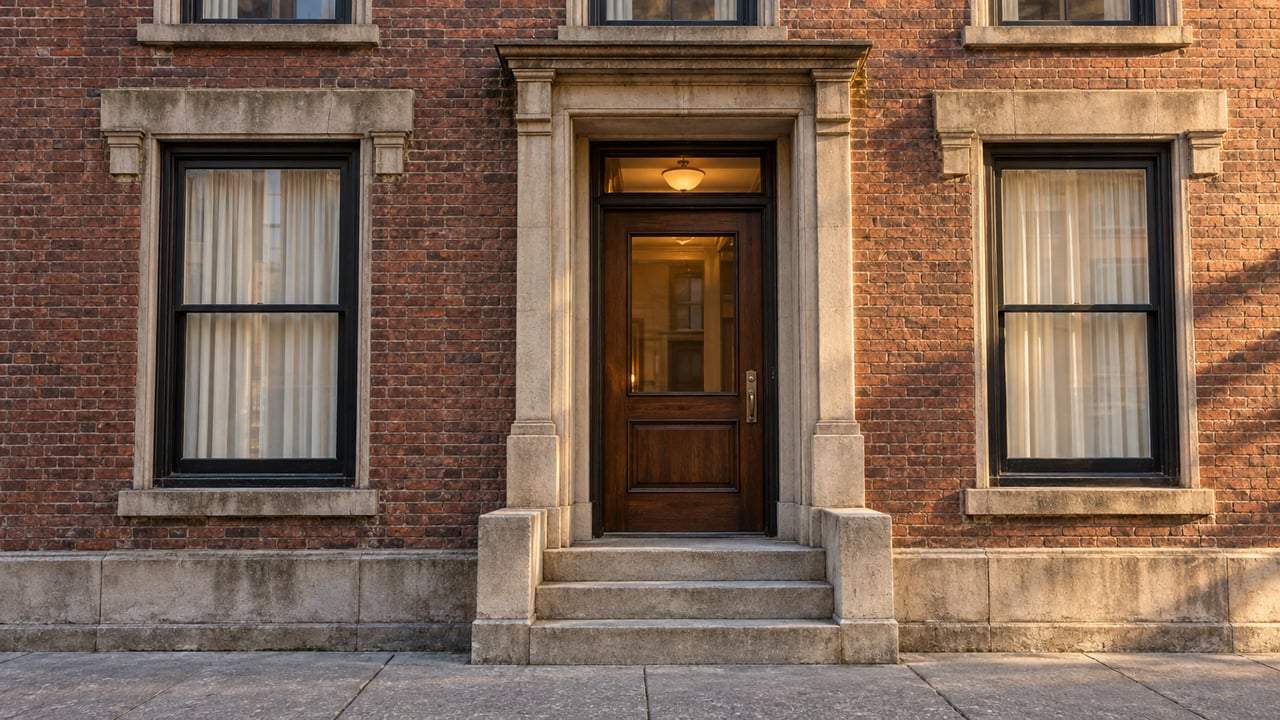
Gramercy Park stands apart because of its physical layout and long-preserved residential character. According to the Gramercy Park Historic District designation report, the area centers on a private square and is defined by 19th-century residential architecture that still shapes how the neighborhood feels today.
That history matters in everyday life. The same report notes that the surrounding area has remained primarily residential, with commercial activity more concentrated along First Avenue rather than dominating the park blocks. In practice, that gives many Gramercy streets a more enclosed, low-key feel than nearby areas with heavier retail or nightlife presence.
The park itself adds to that sense of separation. The New York City Independent Budget Office describes Gramercy Park as a private, fenced park that is accessible only to keyholders from some surrounding buildings. That is an important distinction if park access is on your wish list, because not every nearby address includes it.
What You Will Find Here
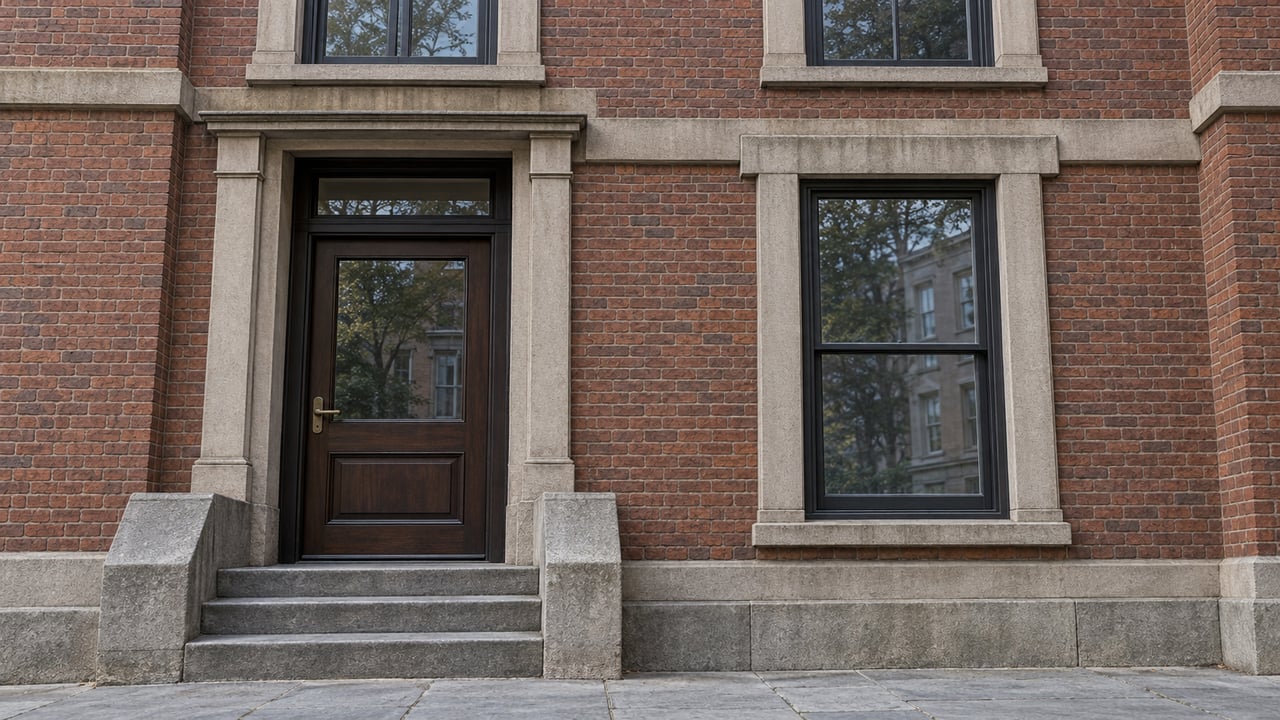
If you are searching for quiet living in Gramercy, you will usually be looking at a mix of prewar co-ops, boutique elevator buildings, and a smaller number of newer condos. The historic district report highlights Anglo-Italianate, Greek Revival, and Gothic Revival architecture, along with later apartment houses that help the neighborhood retain a human-scale streetscape even where buildings are larger.
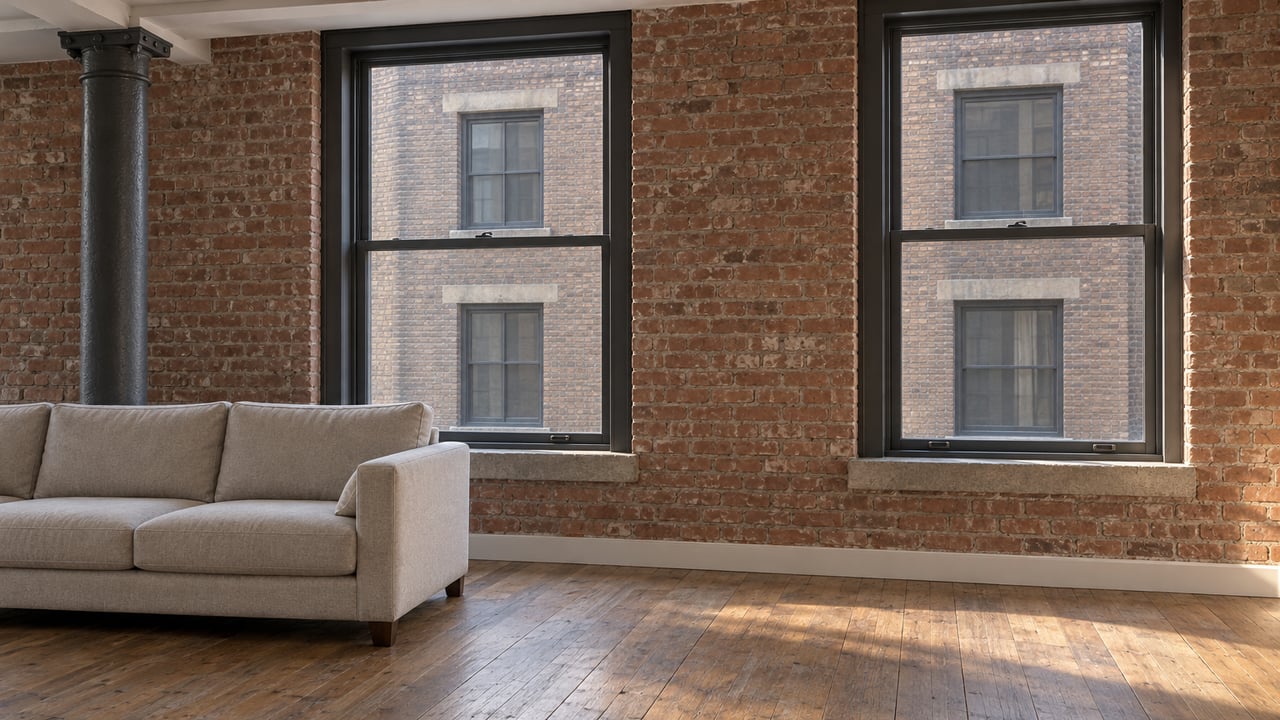
That mix gives buyers more than one path into the neighborhood. Some buildings lean into classic prewar character and a more established residential culture, while others offer a more service-oriented condo experience with newer finishes and broader amenity packages.
A helpful way to think about Gramercy is this: it is not necessarily amenity-light. It is often amenity-selective. You are more likely to find buildings that emphasize privacy, service, architectural character, and a quieter tone rather than a high-profile lifestyle pitch.
Co-Op Living in Gramercy
Co-ops are a major part of the Gramercy housing conversation, especially if you are drawn to established buildings and a steadier residential feel. In a co-op, you do not buy real property in the same way you do with a condo. Instead, you buy shares in the corporation that owns the building and receive a proprietary lease for your apartment, as explained by the New York Attorney General’s co-op guidance.
For many buyers, that structure can align well with a quiet-living goal. Co-op buildings are typically governed through bylaws, house rules, proprietary leases, and board oversight. The Attorney General’s co-op board materials make clear that boards play an active role in how buildings are run, including rules around subletting and shareholder obligations.
That does not automatically make a co-op better than a condo. It does mean you should expect a more rule-driven environment, which can support continuity and predictability in how the building operates. If your priority is stability, established norms, and a more traditional ownership experience, that may be appealing.
What to review in a co-op
Before moving forward on a Gramercy co-op, it helps to look closely at:
- The building’s financials and monthly maintenance
- Sublet rules and any time limits or approval requirements
- Renovation policies and work-hour restrictions
- Board application requirements and interview expectations
- Building staffing, storage, laundry, and common-space access
These details affect day-to-day livability just as much as the apartment itself.
Condo Living in Gramercy
Condos offer a different ownership model. According to the New York Attorney General’s condominium guidance, a condo buyer owns an individual unit plus an undivided interest in the common elements of the building.
That structure often appeals to buyers who want more flexibility. Depending on the building, condos may involve fewer restrictions than co-ops, which can matter if you are thinking about future use, resale flexibility, or a less board-driven approval process.
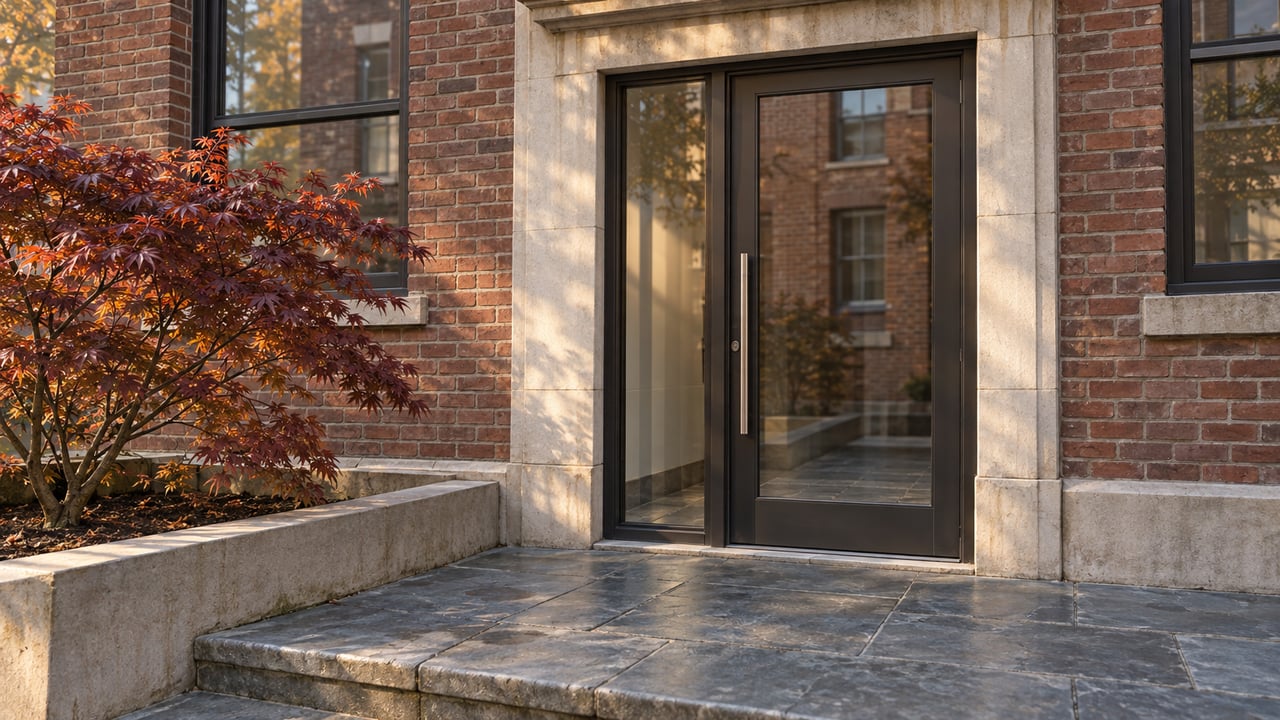
In Gramercy, condo inventory often shows up in newer or more service-heavy buildings. That can mean attended lobbies, fitness spaces, landscaped outdoor areas, or other lifestyle features. Still, it is important not to assume every marketed amenity is guaranteed.
Verify the condo offering plan
This is one of the most important steps for condo buyers. The Attorney General advises that amenities and ancillary spaces are only binding if they are specifically included in the offering plan.
If you are comparing newer buildings in Gramercy, ask direct questions about what is legally part of the purchase. Marketing language can sound polished, but the offering plan is what defines what you are actually buying.
How to Choose Between a Co-Op and Condo
If your main goal is quiet living, the choice often comes down to lifestyle fit rather than status. Both co-ops and condos can work in Gramercy. The better option depends on how you want the building to function around you.
Here is a simple comparison:
| Priority | Co-op May Fit Better | Condo May Fit Better |
|---|---|---|
| Established building culture | Yes | Sometimes |
| More structured governance | Yes | Less often |
| Flexible ownership model | Less often | Yes |
| Simpler legal ownership | No | Yes |
| Need to verify marketed amenities | Important | Very important |
If you value consistency, house rules, and a building culture that may feel more closely managed, a co-op may be your better match. If you want direct unit ownership and potentially more flexibility, a condo may be the stronger option.
Questions to Ask About Quiet Living
A quiet neighborhood does not guarantee a quiet apartment. In Gramercy, the building and the specific line matter just as much as the address.
As you narrow your search, ask questions like:
- Is the building a co-op or condo, and how does that affect governance?
- Is this block primarily residential, or closer to a busier corridor?
- Does this address include Gramercy Park key access, or not?
- What kind of staffing and building services are offered?
- Are amenities designed for daily use or more for marketing appeal?
- What do the house rules or building policies say about subletting, renovations, and common spaces?
These questions help you look beyond listing photos and focus on how the building will actually feel once you live there.
Why Park Access Matters
Gramercy Park is one of the neighborhood’s most distinctive features, but it should never be assumed. The Independent Budget Office notes that only residents of some surrounding buildings have access through park keys.
If access is meaningful to you, verify it early. For some buyers, it is a major lifestyle benefit and part of what makes Gramercy feel uniquely sheltered within Manhattan. For others, the broader neighborhood character matters more than the park itself.
Either way, it is best to treat park access as a building-specific feature, not a neighborhood-wide guarantee.
Gramercy’s Appeal for Buyers
Gramercy works well for buyers who want Manhattan convenience without feeling immersed in constant intensity. A New York City land use document supports that broader reading of the area as residential in character despite its central location among more active districts.
That can make the neighborhood especially appealing if you want a home base that feels composed rather than overstimulating. You are still in a highly connected part of Manhattan, but the preserved architecture, residential street pattern, and more contained atmosphere can create a noticeably different experience from nearby high-traffic enclaves.
For many buyers, that is exactly the point. Gramercy offers centrality without always feeling loud, and character without losing functionality.
A Smart Search Starts With Building Fit
In Gramercy, the best quiet-living choice is rarely just about square footage or finishes. It is about how the building is governed, how the block functions, and whether the apartment supports the pace of life you want.
That is why a more focused search matters here. When you know how to compare co-op rules, condo documents, service levels, and address-specific features like park access, you can make a sharper decision and avoid surprises later in the process.
If you are weighing Gramercy co-ops against condos, or trying to identify which buildings best match your priorities, working with an agent who understands Manhattan building mechanics can save you time and help you evaluate the details that matter most. If you want tailored guidance on Gramercy and similar Manhattan neighborhoods, connect with Gregory Cohen for a personalized market valuation and consultation.
FAQs
What makes Gramercy Park feel quieter than nearby Manhattan neighborhoods?
- Gramercy’s quieter feel comes from its park-centered layout, preserved residential architecture, and street pattern that remains primarily residential, with commercial activity more concentrated along First Avenue.
What is the difference between a Gramercy co-op and a Gramercy condo?
- In a co-op, you buy shares in the corporation that owns the building and receive a proprietary lease, while in a condo, you buy an individual unit plus an interest in the building’s common elements.
Do all Gramercy Park buildings come with access to Gramercy Park?
- No. Gramercy Park is private, and only some surrounding buildings provide residents with key access.
Why should condo buyers in Gramercy review the offering plan carefully?
- The offering plan is the legal document that confirms which amenities and spaces are actually included, so buyers should verify those details rather than relying on marketing materials alone.
Why do co-ops often appeal to buyers seeking quiet living in Gramercy?
- Co-ops often involve more structured governance, house rules, and sublet policies, which can support a more consistent and predictable building environment.
What should buyers ask when touring Gramercy co-ops and condos for quiet living?
- You should ask about the ownership type, building rules, service level, block conditions, park access, and whether the apartment’s location within the building supports the quieter lifestyle you want.