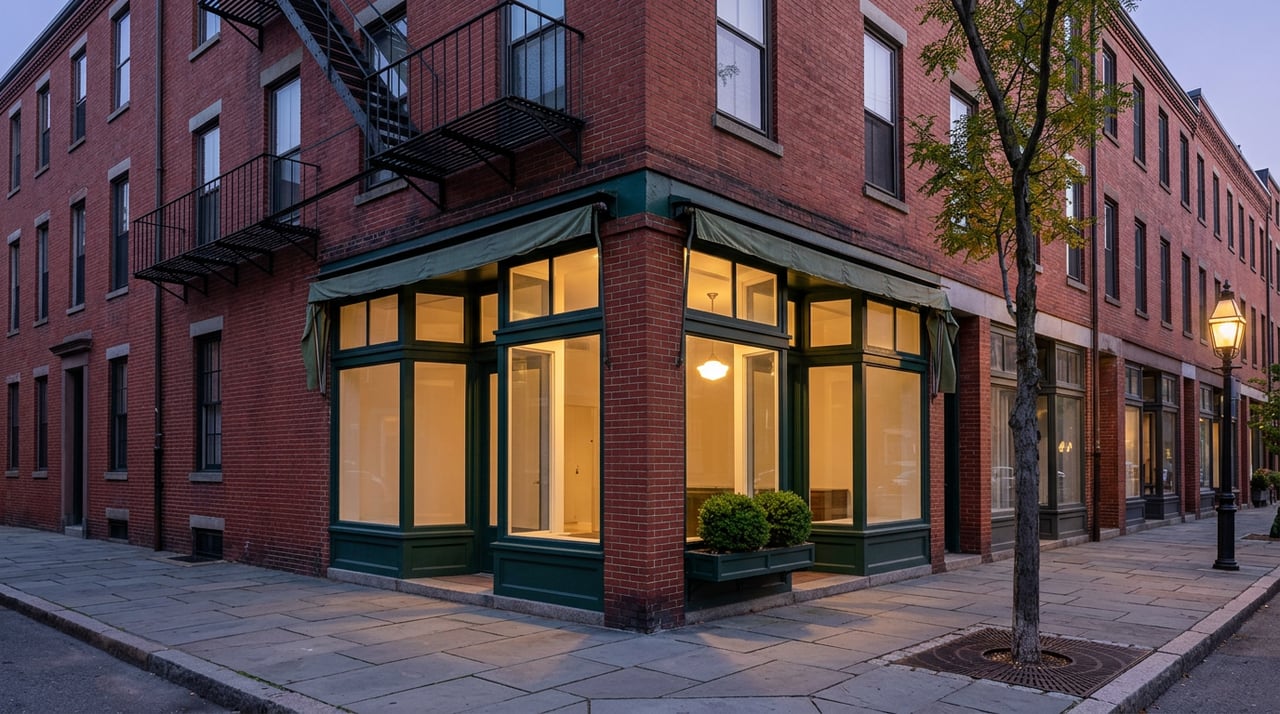
Thinking about buying in the East Village can feel equal parts exciting and intimidating. You may love the energy of the neighborhood, but moving from a monthly rent payment to a down payment, board package, and closing costs is a big shift. The good news is that buying here is not out of reach if you understand the market, the building types, and the timeline. Let’s dive in.
East Village prices in context
The East Village is still an expensive place to buy, but it can be more attainable than many downtown Manhattan neighborhoods. Current neighborhood-level data places median sale measures roughly in the mid-$800,000s to low-$900,000s, depending on the source and time period. At the same time, asking prices and renovated homes often push well above $1 million.
That range matters if you are renting and trying to picture your first purchase. In the current market, you may see entry-level options like a studio around $485,000 or a one-bedroom around $755,000, while updated one-bedrooms can reach about $1.15 million. Larger or more polished homes can rise to roughly $1.5 million to $3.6 million.
StreetEasy also notes that older walk-up buildings make up much of the housing stock. Many apartments are smaller and may need updates, while new condos are limited. In plain terms, starter inventory exists, but the homes that feel turnkey often come with a much higher price tag.
Why renters should look beyond price
If you are comparing rent to a mortgage payment, that is a useful starting point, but it is not the whole picture. East Village buyers also need to think about building type, monthly carrying costs, closing costs, and timing. Those factors can shape your experience just as much as the purchase price.
This is especially true in a neighborhood with many older buildings. A lower-priced apartment may still be a smart move, but you will want to understand what kind of building you are buying into and what future maintenance could look like. That is where careful planning can save you stress later.
Co-op vs condo in the East Village
For most East Village buyers, the first major fork in the road is choosing between a co-op and a condo. The two ownership structures can look similar from the outside, but they work very differently.
In a co-op, you buy shares in a corporation and receive a proprietary lease. In a condo, you own a deeded unit plus an interest in the common areas. That difference affects everything from financing to monthly costs to your future flexibility.
Why co-ops appeal to first-time buyers
Co-ops can offer a lower upfront purchase price, which is one reason many first-time Manhattan buyers start there. Monthly maintenance often covers building expenses, property taxes, and sometimes the building’s underlying mortgage. Because of that structure, co-ops can feel more affordable at first glance, even if the monthly carry is not dramatically lower.
For a renter who plans to stay in the East Village long term, a co-op may be a strong fit. If your goal is stable ownership in a resident-focused building and you are comfortable with more paperwork, the trade-off can make sense. In a neighborhood filled with prewar housing, co-ops are a big part of the buying landscape.
Why condos offer more flexibility
Condos are usually more flexible. They are generally easier to finance, easier to resell, and often easier to sublet later if your plans change. That can be especially appealing if you are not fully sure how long you want to stay or if you want fewer restrictions around future use.
The downside is usually cost. In the East Village, where newer condos are limited, condo inventory can be more competitive and often more expensive. If flexibility is your top priority, that higher entry point may still be worth it.
What board approval means for co-op buyers
Co-op board approval is one of the biggest adjustments for renters becoming owners in Manhattan. StreetEasy describes the process as rigorous and financially focused. Buyers are typically asked for tax returns, W-2s, pay stubs, proof of employment, financial statements, reference letters, and financing documents if a loan is involved.
Many co-ops also want at least 20% to 30% down, strong financial reserves, and a full board package. Some buildings may ask for more. That means a co-op may have a lower sticker price than a condo, but qualifying can be more demanding.
Financing: what to do before you shop
Before you start making offers, you need a realistic understanding of your budget. A preapproval letter is a tentative statement from a lender that they are willing to lend up to a certain amount. It is not a guaranteed loan offer, and lenders typically check your credit during the process.
Preapprovals also commonly expire in 30 to 60 days. That timing matters if you want to buy near the end of your lease. If you get preapproved too early, your paperwork may need to be refreshed. If you wait too long, you may lose time when a good listing appears.
Another key number is your debt-to-income ratio, which compares your monthly debt payments to your gross monthly income. Lenders use this as one of the main measures of affordability. If you are serious about buying, it helps to review your full monthly obligations before you begin touring homes.
Closing costs East Village buyers should expect
The down payment is only part of the cash you need to buy in Manhattan. New York closing costs can have a meaningful impact on your budget, especially in a neighborhood where many renovated homes cross the $1 million mark.
New York State says mortgage recording tax applies to mortgages recorded in the state. Also, residences with consideration of $1 million or more are subject to a 1% mansion tax. In practical terms, if you are stretching to buy a polished East Village apartment at or above that threshold, you need to plan for the added cost before you make an offer.
You should also build in time for the closing process itself. Lenders must provide the Closing Disclosure at least three business days before closing. Even when a deal is moving well, the final stage requires both attention and flexibility.
When to start if your lease is ending
One of the most common mistakes renters make is waiting too long to begin. You do not need to wait until your lease is nearly over to start preparing. In fact, giving yourself several months is often the safer move.
Here is why: preapprovals have a limited shelf life, co-op packages take time to assemble, and board approval can slow the process. StreetEasy notes that a co-op package is typically due within 10 days after contract signing, which means much of your paperwork should already be organized before you are deep into a deal.
If your lease end is approaching, a practical workflow is to begin serious planning months ahead. That gives you time to sort out financing, tour homes, compare co-ops and condos, make an offer, and move through the board or closing process with less pressure. It also lowers the chance that you will end up paying rent and ownership costs at the same time for longer than expected.
A smart document checklist
If you want your search to move smoothly, it helps to gather key documents early. For many East Village buyers, especially co-op buyers, a strong file can make a real difference.
A useful checklist includes:
- Recent tax returns
- W-2s
- Pay stubs
- Proof of employment
- Financial statements
- Reference letters
- Approved loan application and commitment letter, if financing
Having these ready can make the offer and contract stage feel far less rushed. It also puts you in a better position if the right apartment comes on the market quickly.
Due diligence matters in older buildings
In the East Village, due diligence is not just a formality. Because many buildings are older, it is important to review the details carefully before you commit.
The New York Attorney General advises buyers to read the entire offering plan and consult an attorney before signing. The office also recommends reviewing board minutes and financial reports to spot recurring repair issues or planned assessments. For a first-time buyer, this step can reveal costs or building concerns that are easy to miss during a showing.
This is one of the biggest differences between renting and owning. As an owner, you are not just choosing an apartment. You are also choosing the building behind it, along with its finances, rules, and maintenance needs.
The real renter-to-owner strategy
In the East Village, the move from renter to owner is usually not about finding one perfect listing on day one. It is about matching your budget, your timeline, and your preferred building type. When those three pieces line up, the path becomes much clearer.
If you want the lower entry price that a co-op can offer, you should be ready for a more involved approval process and stronger financial scrutiny. If you want simpler financing and more future flexibility, a condo may be the better fit, but often at a higher cost. And if you are targeting a home near or above $1 million, closing taxes should be part of your plan from the start.
Buying in the East Village takes preparation, but it can absolutely be a smart next step when your plan is grounded in the realities of the neighborhood. If you want tailored guidance on timing, co-op and condo strategy, and what your budget can realistically buy, Gregory Cohen can help you move from renter to owner with clear, hands-on support.
FAQs
What price range should East Village buyers expect?
- Current neighborhood data suggests median sale measures in the mid-$800,000s to low-$900,000s, while renovated or larger homes often sell for more than $1 million.
What is the difference between an East Village co-op and condo?
- A co-op buyer purchases shares in a corporation and receives a proprietary lease, while a condo buyer owns a deeded unit and an interest in the common areas.
What down payment do East Village co-ops usually require?
- Many co-ops want at least 20% to 30% down, strong reserves, and a detailed board package, although some buildings may ask for more.
What extra costs matter when buying in the East Village?
- Buyers should plan for closing costs in addition to the down payment, including mortgage recording tax on recorded mortgages and a 1% mansion tax on residences with consideration of $1 million or more.
When should an East Village renter start the buying process before lease end?
- A practical approach is to begin serious planning several months before your lease ends so you have time for preapproval, touring, offers, paperwork, and possible co-op board approval.
What documents do East Village co-op buyers usually need?
- Common documents include tax returns, W-2s, pay stubs, proof of employment, financial statements, reference letters, and financing documents such as an approved loan application and commitment letter.