If you are selling a NoHo loft or condo, great marketing is not just about looking polished. It is about matching your home to the right buyer in one of Manhattan’s smallest and most design-conscious luxury markets. In NoHo, buyers are often paying for architecture, scale, and location as much as the apartment itself, so your launch strategy needs to be precise from day one. Here is how strategic marketing can help you stand out and sell with more confidence.
Why NoHo marketing is different
NoHo is a boutique downtown market with a much smaller buyer pool than Manhattan overall. StreetEasy currently places the neighborhood’s average price at $2,539 per square foot, with 33 homes for sale and a median asking price of $4.25 million. That means your listing is likely competing for attention in a narrow, affluent bracket rather than the broader Manhattan market.
That also changes how buyers compare options. Instead of measuring your property against all of Manhattan, many buyers are weighing NoHo against nearby downtown neighborhoods like SoHo, Greenwich Village, East Village, and Nolita. In that context, NoHo reads as highly specific: premium, historic, and quieter than some of the surrounding tourist-heavy corridors.
Sell the NoHo story
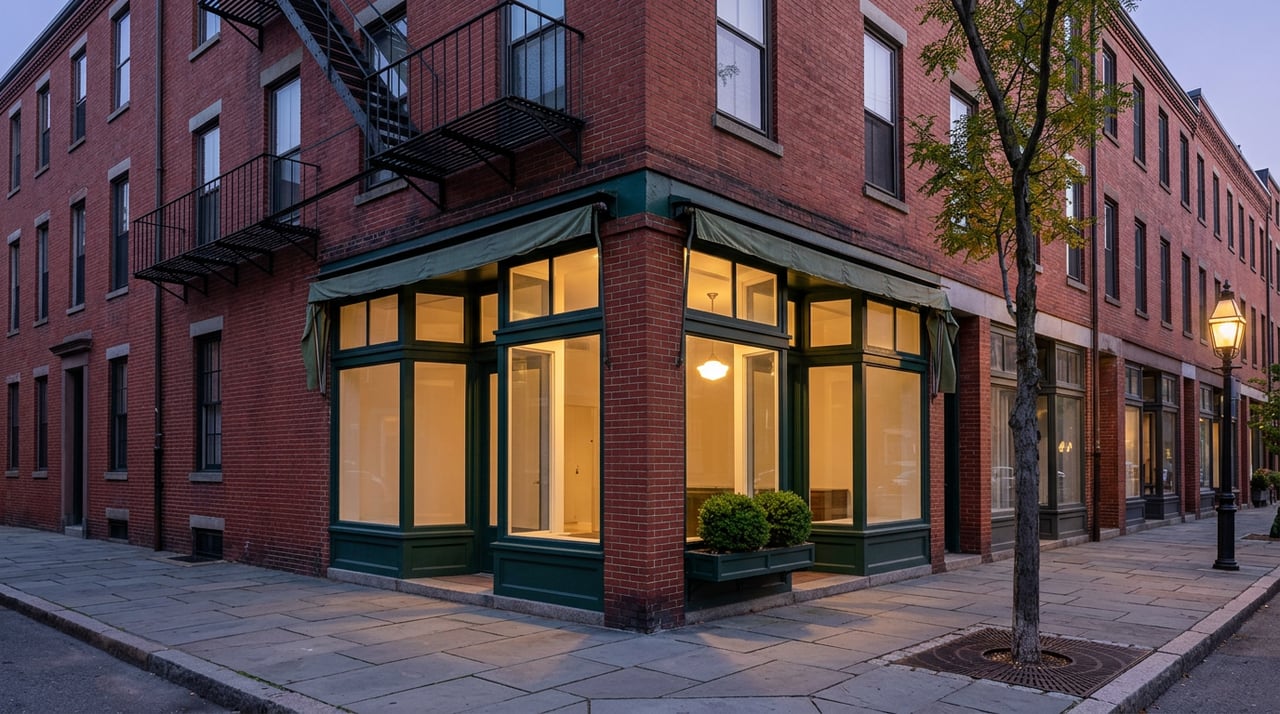
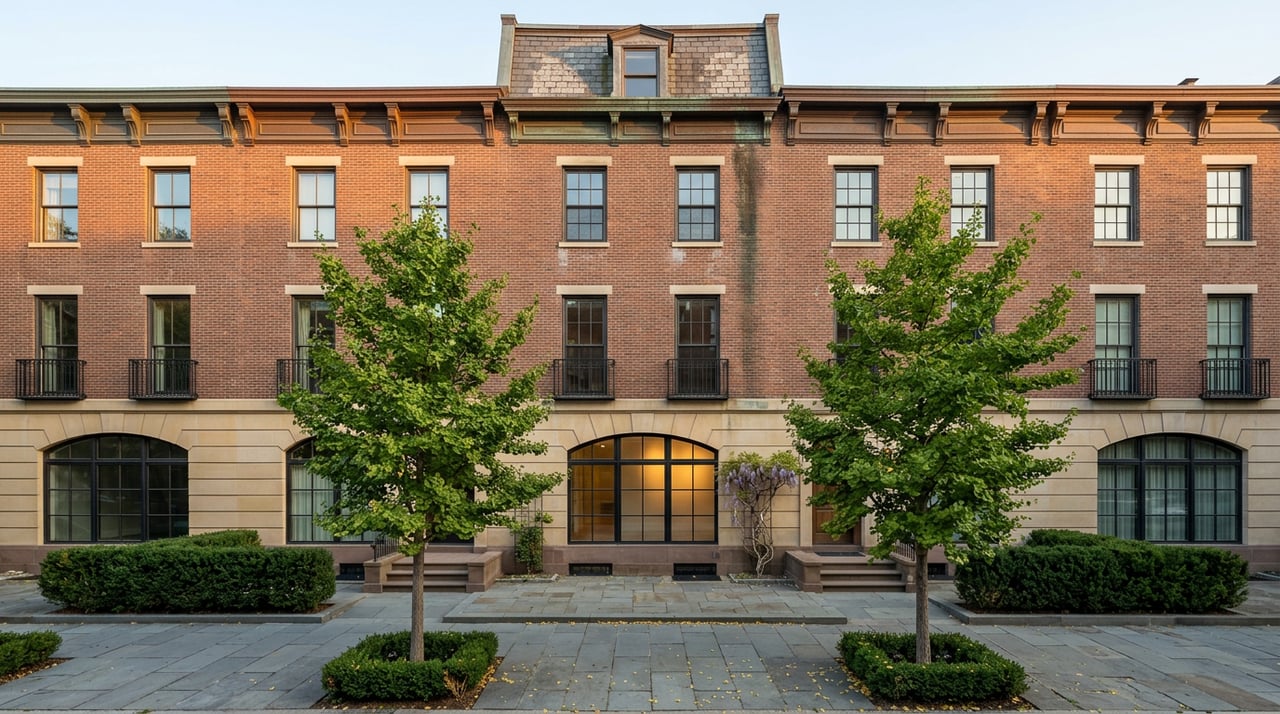
A NoHo buyer is rarely purchasing square footage alone. They are often drawn to the neighborhood’s architectural character, central downtown access, and the feeling of living in a distinct pocket of Manhattan with its own identity. That is why generic luxury marketing usually falls flat here.
The NoHo BID describes the area through its historic architecture and long creative legacy. The city’s historic district records show a concentration of 19th- and early-20th-century buildings, with the NoHo Historic District designated in 1999 and additional district areas and extensions also mapped by the city. If your building falls within one of these designations, that background can shape both buyer interest and pre-listing preparation.
Highlight architecture, not just finishes
In NoHo, the building itself is often part of the product. The district is known for store-and-loft buildings with cast-iron, brick, stone, and terra-cotta facades, along with preserved streetscapes and strong architectural continuity. Your marketing should reflect that.
That means your listing presentation should focus on details that help buyers understand the home’s character and scale, such as:
- Ceiling height
- Window size and natural light
- Original architectural details
- Loft proportions and flow
- Building provenance
- The relationship between the home and the streetscape
This is especially important for lofts, where open volume and layout matter as much as the finish package. A polished kitchen or bath can help, but in NoHo, buyers are often responding first to space, light, and authenticity.
Use visuals that show scale and flow
Professional visuals are essential in this market. According to the National Association of Realtors’ 2025 staging report, 83% of buyers’ agents said staging made it easier for buyers to picture a property as their future home. The same report found that photos, videos, and virtual tours remain highly important in the buyer decision process.
For a NoHo loft or condo, that means standard listing photos are not enough. You want a visual package that helps buyers feel the home before they ever schedule a showing. In practical terms, that often includes:
- Professional architectural photography
- A clear floor plan
- A thoughtful photo sequence that shows room-to-room flow
- Video or virtual-tour assets that communicate light and volume
- Strategic staging, especially in the living room, primary bedroom, and kitchen
The goal is not to over-style the property. It is to help buyers understand proportion, function, and mood.
Price for the right bracket
Pricing strategy matters even more in a market like NoHo because buyers tend to shop by price band. Manhattan’s April 2026 condo and co-op data showed contracts from $3 million to $5 million rose 17% year over year, while contracts above $5 million rose 9%. At the same time, average marketing time was 106 days and the average condo discount from last asking price was 2.6%.
That data points to a clear takeaway: buyers are active, but they are selective. A NoHo seller needs to think carefully about where the property sits in the market, because a loft priced into the wrong bracket may miss the audience most likely to engage.
StreetEasy’s current NoHo data reinforces this. The neighborhood’s median asking price is $4.25 million, with an overall median of $1,998 per square foot. Condo medians are about $2.20 million for studios, $2.52 million for one-bedrooms, and $4.50 million for two-bedrooms. In other words, even a smaller unit can compete in elevated price territory if the scale, condition, and building appeal are there.
Avoid the overpricing trap
Low inventory does not automatically mean any price will work. Manhattan supply in April 2026 remained below the ten-year April average, and active listings above $5 million were at a 12-year April low. Even so, buyers still have expectations, and financing costs remain a factor, with Freddie Mac reporting a 30-year fixed average of 6.36% as of May 14, 2026.
That combination usually rewards a strong launch over an aspirational one. If your property comes to market polished, well-photographed, and correctly positioned, you have a better chance of attracting serious attention early. If it launches high and has to chase the market down, buyers may assume something is off, even when the property itself is excellent.
Prepare documents before you list
In a historic neighborhood, paperwork can matter more than sellers expect. If your property is landmarked, New York City guidance says the Landmarks Preservation Commission must approve certain visible changes, including alterations, reconstructions, demolitions, and new construction affecting the landmark.
You do not need to turn your listing into a legal project, but you should verify records for any visible work or approved changes before your home goes live. That can help reduce surprises during due diligence and support a smoother transaction once buyers begin asking detailed questions.
Consider a controlled rollout
A full public launch is not the only option in a luxury micro-market. Corcoran’s April 2026 luxury data showed 86 Manhattan contracts above $5 million, up 9% year over year, even as active inventory in that segment remained unusually tight. In the right situation, that can support a short private-preview phase before broad exposure.
This is not a rule for every listing. Still, for some NoHo properties, a broker-led preview period can help test pricing, gather qualified feedback, and create early interest without immediately flooding the market. The key is making that decision intentionally based on the property, price point, and seller goals.
Distribution still matters
Even in a neighborhood as specific as NoHo, local expertise works best when it is paired with broad reach. Because buyer demand at this level can come from downtown movers, pied-a-terre shoppers, investors, or relocation-driven purchasers, the marketing plan should not rely on one channel alone.
That is where a hybrid approach becomes valuable. You want neighborhood fluency in the copy, visuals, and pricing strategy, but you also want access to a wider network of qualified buyers. For a seller, that combination can mean stronger visibility without losing the property-specific story that makes NoHo compelling.
Hands-on representation makes a difference
Luxury marketing should not feel vague or outsourced. In practice, the strongest seller experience usually comes from a consistent point person who is managing the details from preparation through negotiation. That includes coordinating staging, photography, listing copy, showing strategy, buyer feedback, and pricing adjustments when needed.
For a NoHo loft or condo, that kind of senior-agent oversight can be especially useful because the market is nuanced. Buyers are not just comparing finishes. They are comparing architecture, condition, building context, and whether the asking price makes sense in a very specific downtown niche.
What strategic marketing should accomplish
When your marketing is working, it should do more than generate clicks. It should help the right buyers quickly understand why your home is worth seeing and why it belongs in its price category. In NoHo, that often comes down to presenting the property with clarity, restraint, and neighborhood intelligence.
A smart campaign should aim to:
- Tell a location-specific story
- Showcase architecture and layout clearly
- Use staging and visuals to create emotional connection
- Price within the right competitive bracket
- Anticipate buyer questions about building history or visible alterations
- Reach both local and broader qualified buyer networks
That is what turns a listing into a launch instead of just an online posting.
If you are preparing to sell a NoHo loft or condo, a tailored strategy can make a meaningful difference in how your property is perceived from the start. For a personalized valuation and consultation, connect with Gregory Cohen.
FAQs
How is marketing a NoHo condo different from marketing a condo elsewhere in Manhattan?
- NoHo is a smaller, higher-priced downtown market where buyers often focus on architecture, building character, and neighborhood identity, not just finishes or amenities.
What should listing photos emphasize in a NoHo loft?
- Photos should highlight ceiling height, light, window scale, layout flow, and architectural details so buyers can understand the loft’s volume and character.
Does staging help when selling a NoHo apartment?
- Yes. The 2025 NAR staging report found that 83% of buyers’ agents said staging made it easier for buyers to picture a property as their future home.
Why does price band matter when selling a NoHo property?
- Buyers in this market often search and compare by bracket, so pricing your home into the right range helps it reach the most relevant audience and compete more effectively.
Should sellers verify landmark or alteration records before listing a NoHo home?
- Yes. If the building is landmarked, visible changes may require Landmarks Preservation Commission approval, so it is smart to confirm documentation before going to market.