Looking for a Manhattan neighborhood that feels both iconic and livable? Greenwich Village stands out because it offers something rare in New York City: a strong sense of place, deeply rooted architecture, and everyday convenience in a compact downtown setting. If you are thinking about buying, renting, or simply getting to know the area, this guide will help you understand what daily life in Greenwich Village is really like. Let’s dive in.
What Makes Greenwich Village Distinct
Greenwich Village has a character that is hard to replicate anywhere else in Manhattan. According to the Landmarks Preservation Commission, the Greenwich Village Historic District was designated in 1969 and remains the largest historic district in New York City, with more than 2,000 buildings across 65 blocks.
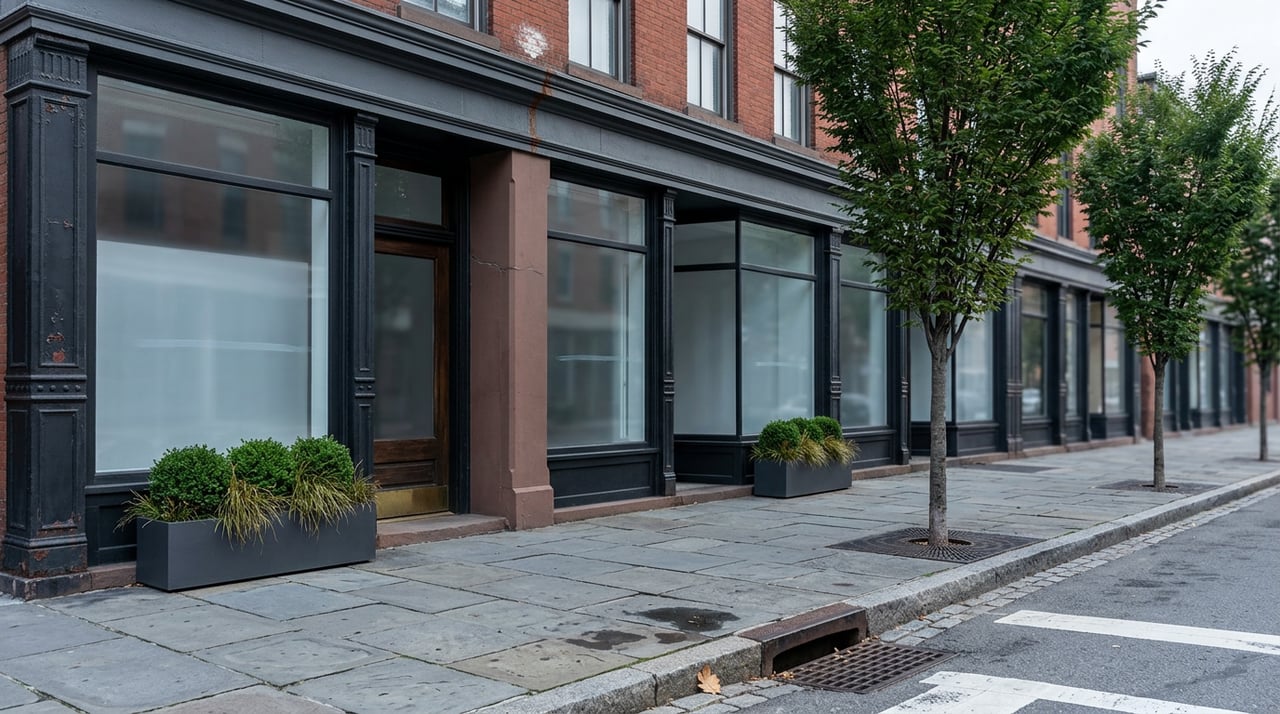
That historic framework shapes the neighborhood in a very practical way. Instead of a skyline filled with towers, you will find a layered mix of rowhouses, brownstones, tenements, and apartment buildings that gives the area a more residential, human-scale feel. The result is a neighborhood that feels established, walkable, and visually rich.
Washington Square Park Sets the Tone
If there is one place that captures Greenwich Village, it is Washington Square Park. NYC Parks lists the park at 9.75 acres and describes it as a dynamic gathering place for residents, students, performers, activists, and visitors.
That description matches how the park functions in daily life. It feels less like a park you pass through and more like a public living room, especially because its central area is car-free. The famous arch, active fountain plaza, chess tables, and constant foot traffic create an energy that spills into the surrounding blocks.
For many buyers and renters, proximity to the park is a major part of the appeal. It offers open space, people-watching, and a natural meeting point in a neighborhood where street life matters.
Daily Life Feels Active and Walkable
Greenwich Village is lively, but it is not uniformly loud or hectic. The busiest activity tends to cluster around Washington Square Park, New York University, and the main dining and nightlife corridors, while many side streets remain more residential in feel.
That balance is one of the neighborhood’s biggest strengths. You can step out for coffee, dinner, music, or a walk in the park, then turn onto a quieter block lined with older buildings and a more settled streetscape. In practice, Greenwich Village often delivers both energy and retreat within a few minutes of each other.
Dining and coffee spots
A few streets shape the neighborhood’s day-to-day rhythm more than others. NYC Tourism highlights places along MacDougal Street, Bleecker Street, Mercer Street, and nearby Houston Street, including Caffe Reggio, Dame, Figaro, and Think Coffee Mercer.
For you as a resident, that means you are rarely far from a café, casual spot, or destination restaurant. The neighborhood works well for spontaneous plans because so much is concentrated within an easy walking radius.
Music and cultural landmarks
Greenwich Village also has a long-standing reputation as a live music destination. NYC Tourism points to venues such as Cafe Wha?, The Bitter End, the Village Vanguard, and the Blue Note as part of the local identity.
Beyond music, the neighborhood includes places with major cultural significance. The National Park Service identifies Stonewall National Monument as a 7.7-acre site tied to the 1969 Stonewall Uprisings and the modern LGBTQ rights movement. That history adds another layer to the neighborhood’s sense of place.
Getting Around Is One of the Biggest Advantages
For a relatively compact neighborhood, Greenwich Village has excellent transit access. The MTA subway map shows service nearby at W 4 St-Washington Sq, 14 St, and Christopher St-Stonewall, connecting the area to multiple subway lines.
That level of access matters if you work in Midtown, Downtown, Brooklyn, or across the Hudson. The MTA says the 14 Street complex serves six subway lines and two PATH trains and handles about 131,000 customers on a typical weekday.
In everyday terms, Greenwich Village is easy to navigate without a car. Many residents choose the area specifically because they can rely on walking and transit for most of their routine.
What the Housing Stock Looks Like
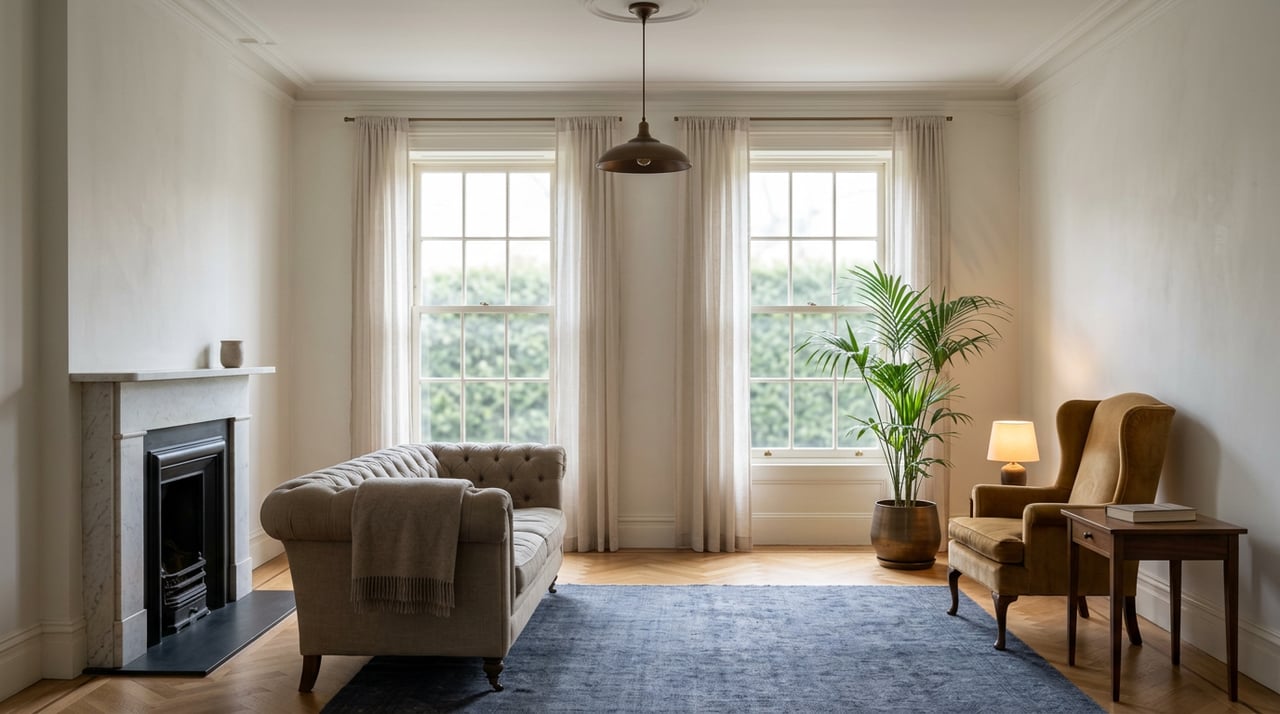
If you are searching in Greenwich Village, it helps to understand that the housing stock is older and more varied than in many newer Manhattan neighborhoods. StreetEasy’s neighborhood page describes the area as a mix of upscale co-ops, townhouses, and classic walk-ups, and notes that older housing stock is a defining feature.
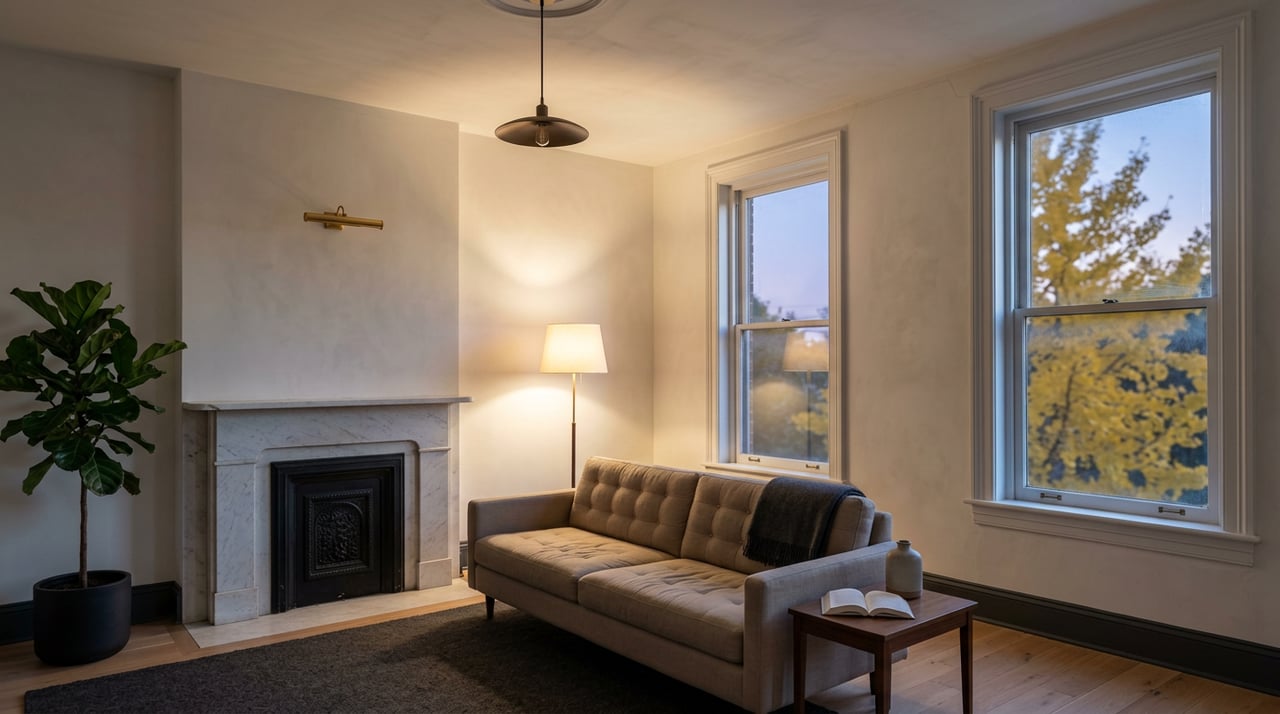
That older stock is part of the neighborhood’s charm, but it also affects your search. You may need to weigh tradeoffs such as walk-up layouts, smaller footprints, or prewar quirks against location, character, and long-term desirability.
Expect variety, not one housing type
Greenwich Village is not a one-note market. City planning and preservation materials describe a building mix that includes Federal-style rowhouses, Greek Revival townhouses, brownstones, tenements, and apartment buildings.
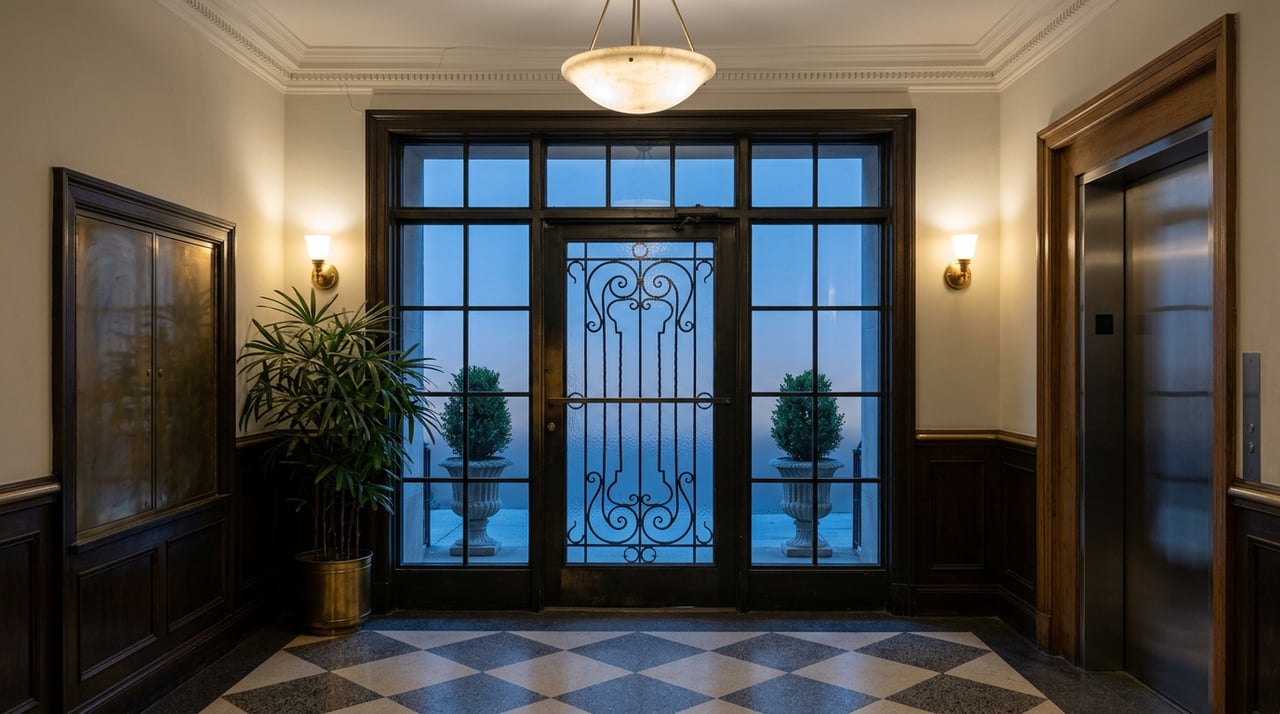
There are also some full-service properties in the neighborhood, including buildings with part-time or 24-hour doorman service, but those are not the dominant pattern. Overall, the area still leans toward low-rise, prewar, and walk-up inventory rather than high-rise living.
Character often outweighs newness
In practical terms, Greenwich Village often asks you to prioritize atmosphere and location over brand-new finishes or oversized amenity packages. Its historic-district status, limited high-rise inventory, and tightly held housing supply all reinforce that dynamic.
For many buyers, that is exactly the point. You are often paying for setting, scarcity, architecture, and neighborhood identity as much as the apartment itself.
What It Costs to Live Here
Greenwich Village sits firmly in the premium tier of downtown Manhattan pricing. StreetEasy currently shows a median sale price of $1.4 million and a median base rent of $5,200 on its neighborhood page.
The NYU Furman Center profile for Greenwich Village/SoHo reports a median household income of $206,490, a homeownership rate of 34.6%, and a median gross rent of $3,630 in 2023. Because Furman and StreetEasy use different geographies and methodologies, those figures should be read as directional rather than directly comparable.
What they clearly show is that this is a high-cost, high-demand market. If Greenwich Village is on your list, it is smart to enter your search with realistic expectations about pricing and competition.
Building type matters a lot
One of the most important things to understand is that there is no single Greenwich Village market. Furman reports that in 2024 median sales per unit in the combined Greenwich Village/SoHo area were about $2.995 million for condominiums and about $491,470 for 5+ family buildings.
That gap highlights how much pricing can shift based on property type. In other words, your budget may go further or less far depending on whether you are considering a condo, co-op, townhouse-style property, or another building category.
Who Greenwich Village Often Appeals To
Greenwich Village tends to attract people who care about access, architecture, and neighborhood atmosphere. The appeal often crosses buyer types because the same core traits keep showing up: strong transit, walkability, cultural depth, and a recognizable sense of place.
You might be drawn to the area if you want a downtown Manhattan location that feels established rather than newly built. You may also appreciate Greenwich Village if you are willing to trade some space or newer features for charm, convenience, and long-term desirability.
What to Consider Before You Move
No neighborhood is the right fit for everyone, and Greenwich Village comes with clear tradeoffs. Before you commit, think about how you weigh these factors:
- Building style: Many homes are in older buildings, which can mean stairs, smaller elevators, or no elevator at all.
- Price point: Both purchase prices and rents are high compared with many other neighborhoods.
- Street activity: Some blocks are busy due to park traffic, university activity, dining, and nightlife.
- Inventory mix: Available homes can vary widely by building type, layout, and service level.
If those tradeoffs align with your priorities, Greenwich Village can be an unusually rewarding place to live. It offers a blend of history, convenience, and street life that remains hard to match.
Why Greenwich Village Holds Its Appeal
Some Manhattan neighborhoods win you over with new development and amenities. Greenwich Village tends to win people over differently. Its value is tied to historic character, a central park that acts as the neighborhood’s social heart, excellent transit access, and a built environment that feels distinct from much of the city.
That combination helps explain why demand remains strong. Whether you are looking for a primary residence, a pied-à-terre, or an investment-minded purchase, Greenwich Village continues to stand out as a neighborhood where character and location carry real weight.
If you are considering a move in Greenwich Village, working with an agent who understands Manhattan building types, pricing differences, and neighborhood-level nuance can make the process much more efficient. To get tailored guidance on buying, selling, or renting in the area, connect with Gregory Cohen.
FAQs
What is daily life like in Greenwich Village, Manhattan?
- Greenwich Village typically feels active and walkable, with busy areas around Washington Square Park, dining corridors, and music venues, plus quieter residential side streets.
What kind of homes are common in Greenwich Village?
- The neighborhood is known for older housing stock, including rowhouses, brownstones, walk-ups, tenements, and apartment buildings, with some co-ops, condos, and a limited number of full-service buildings.
Is Greenwich Village easy to navigate without a car?
- Yes. The neighborhood has strong subway access through stations such as W 4 St-Washington Sq, 14 St, and Christopher St-Stonewall, which is a major part of its appeal.
How expensive is Greenwich Village compared with other Manhattan neighborhoods?
- Greenwich Village is considered a premium downtown Manhattan market, with StreetEasy reporting a median sale price of $1.4 million and a median base rent of $5,200 based on active listings.
Why do buyers choose Greenwich Village over newer neighborhoods?
- Many buyers are drawn to Greenwich Village for its location, historic character, transit access, walkability, and the distinct atmosphere created by its architecture and public spaces.