Picture yourself grabbing a late-night slice on St. Mark’s, walking your dog through Tompkins Square Park in the morning, then meeting friends at the Union Square Greenmarket. If that sounds like your speed, the East Village might be a fit. You want the real story though, from rent ranges to noise to how you will actually get around. This guide gives you a clear, data-backed look at daily life, housing, and smart search tips so you can decide with confidence. Let’s dive in.
The East Village in context
You are in central-eastern Manhattan, roughly East 14th Street to East Houston Street, and from Bowery or Third–Fourth Avenue over to the East River. The neighborhood sits within Manhattan Community District 3. For official district context and local planning priorities, review the Community Board’s needs statement for CD3, which includes the East Village and nearby areas. You can see the boundaries and governance details in the city’s document for CB3’s district needs statement at nyc.gov.
CD3 is dense and diverse, with a wide mix of renters, students, and long-time residents. For stable demographic and housing context, the Furman Center’s Lower East Side/Chinatown profile covers Community District 3. It reports on income, renter share, and long-term trends based on Census and administrative data, which is helpful when you want to understand who lives here and how housing supply has changed over time. Explore that broader CD3 backdrop at the Furman Center.
Daily life and vibe
The East Village blends creative roots with a lively food and bar scene. Expect independent cafés, record shops, vintage stores, and small venues along St. Mark’s Place and the Avenues. Street-level energy is part of the draw, and it is not limited to weekends.
Green space is a real quality-of-life anchor. Tompkins Square Park sits at the neighborhood’s heart with dog runs, bocce, playgrounds, and small festivals. See amenities and programming on the NYC Parks page for Tompkins Square Park. East River Park provides waterfront paths and fields, with large sections reopened in 2025 as part of ongoing resiliency work. City planning reports also discuss broader waterfront resilience and land use in this area, which you can review in the Resilient Neighborhoods report.
Union Square, just west of the neighborhood, functions like an extension of your backyard. It is a major transit node and home to the year-round Greenmarket, which is a convenient weekly anchor for produce and staples. Check market schedules through GrowNYC’s Greenmarket.
Nightlife and arts
If you like going out, you will find options from casual bars to legacy venues. Webster Hall and Nuyorican Poets Café are longstanding cultural touchpoints, and smaller clubs and open-mic rooms add texture. For a sense of the area’s cultural history, Village Preservation’s look at Webster Hall captures the arc of nightlife and performance spaces in the neighborhood. Read more at Village Preservation.
The upside is energy and convenience. The tradeoff can be evening noise on busy corridors like St. Mark’s Place and parts of 1st and 2nd Avenue. If you are sensitive to sound, you will want to focus one or two blocks off the main drags.
Housing mix and what you get
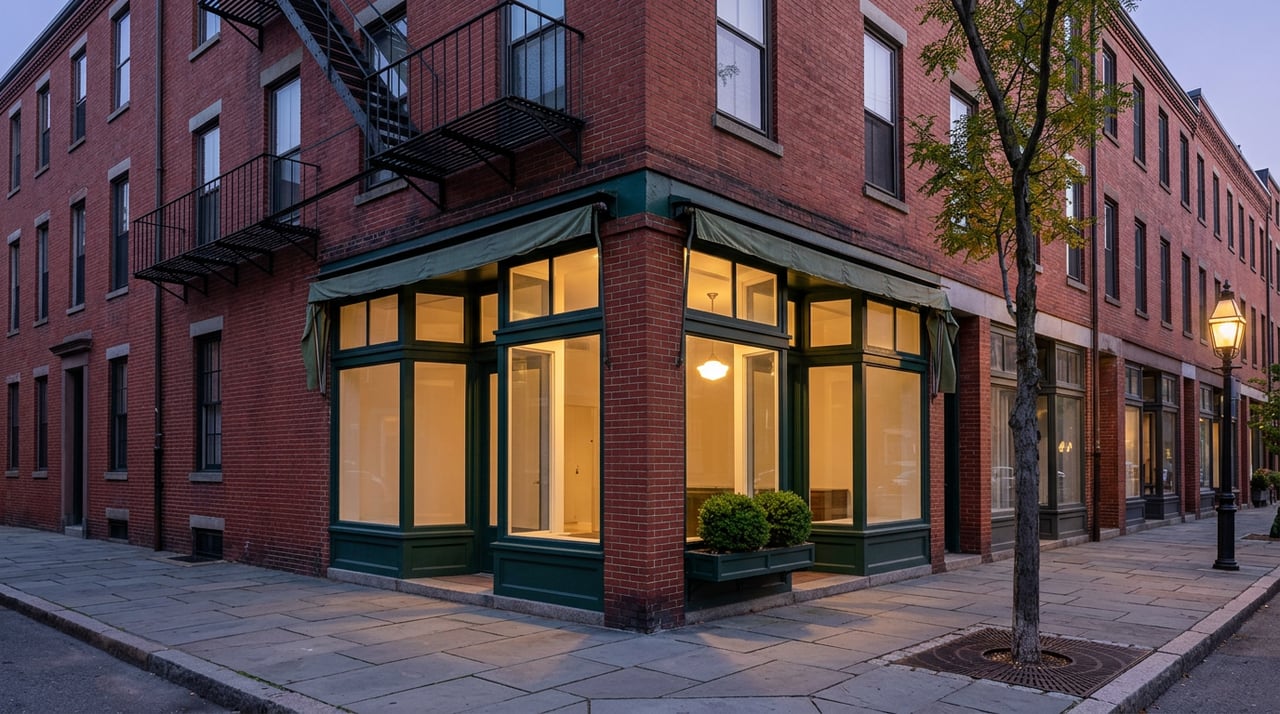
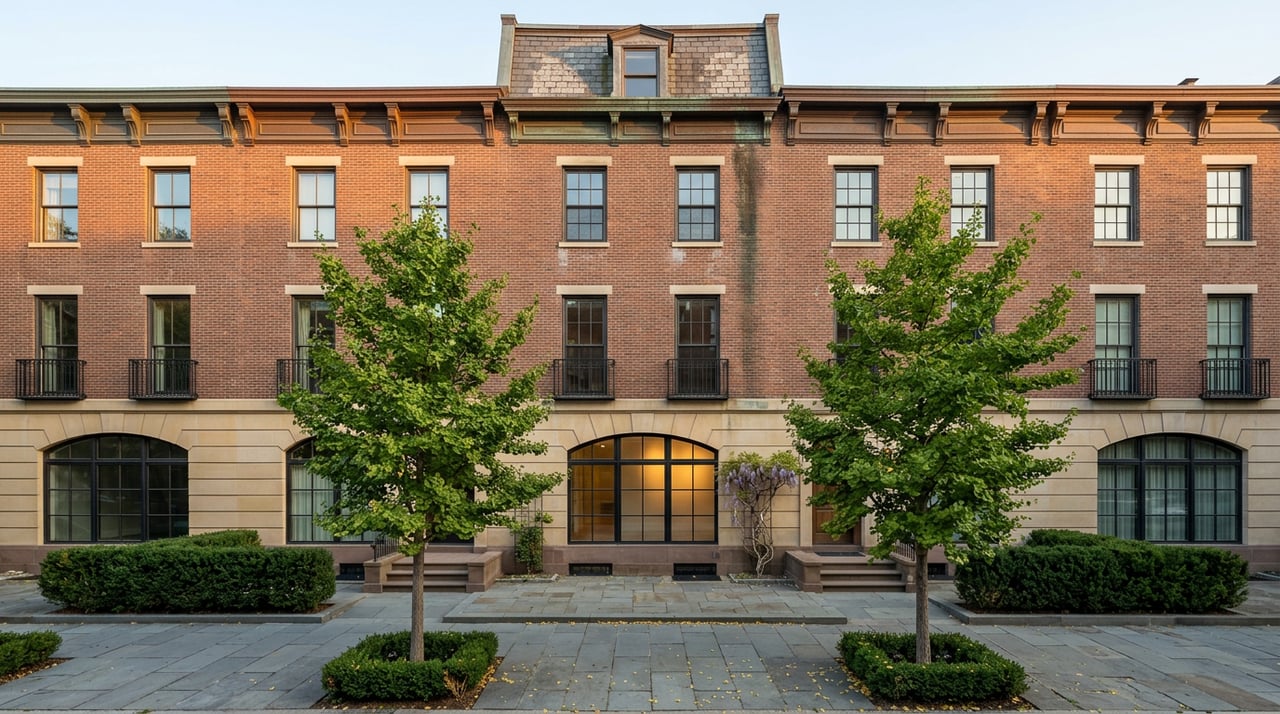
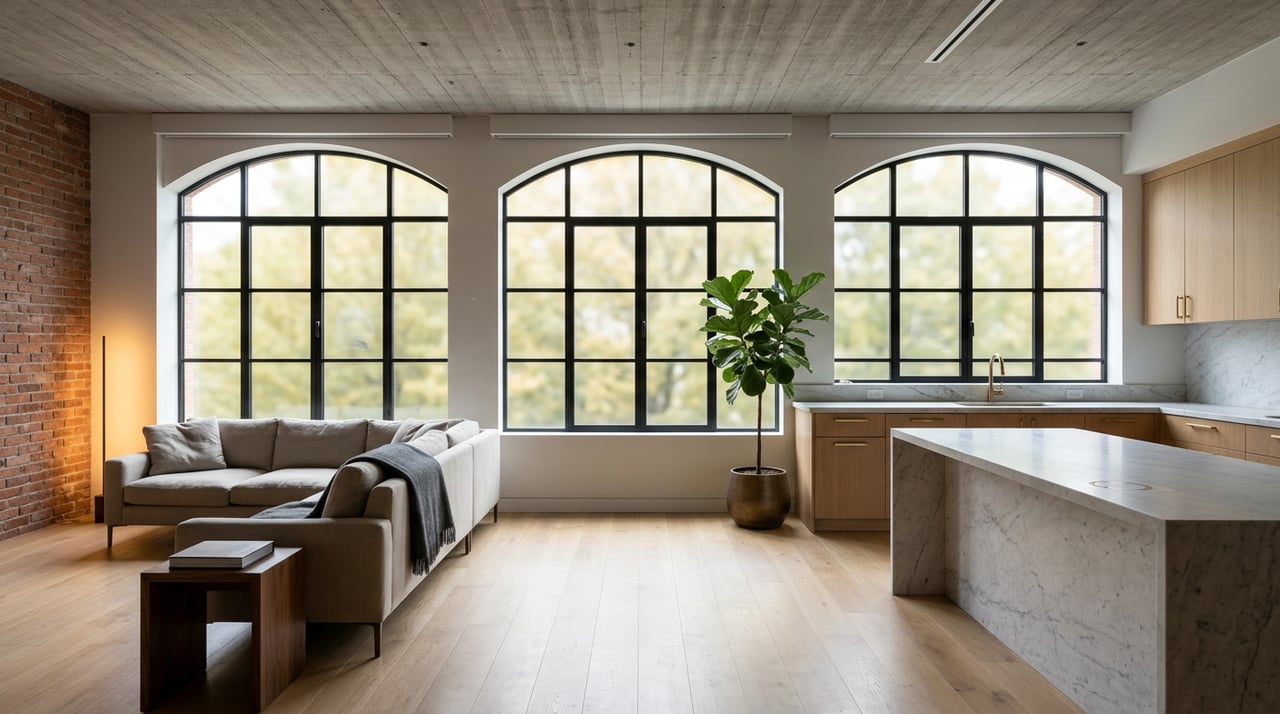
Most East Village buildings are older, prewar walk-ups or tenement-style co-ops with quirky layouts. Renovated elevator buildings and newer condos exist but are less common than in some other Manhattan neighborhoods. StreetEasy’s neighborhood overview is useful for a quick take on building types and the area’s long-running bohemian feel. For a snapshot, see the StreetEasy East Village page.
CD3 has historically had a significant share of rent-regulated units, which can provide price stability compared to current asking rents. City planning materials have cited approximately 40 to 50 percent of the rental stock as rent regulated in past reports, though figures vary by year and method. For background on regulation and planning context, review the city’s Resilient Neighborhoods report.
Rents and budgets
Asking rents in active listings move with the market week to week. Zumper’s listing-based snapshot for the East Village showed a median asking rent of about $4,995 in February 2026. You can check the latest listing median on Zumper’s East Village page. In general, one-bedrooms advertised in current inventories often range from $4,000 to $6,000 per month, with wide variation by block and building. For updated comparisons by zip code, you can also look at Zumper’s 10009 page and StreetEasy’s neighborhood overview at StreetEasy.
It helps to know what these figures represent. Listing sites report current asking prices in active ads, which tend to sit above the realized rents captured by longer-term, survey-based sources like the Furman Center’s ACS profiles. The Furman Center’s CD3 profiles offer a stable, big-picture view of rent levels and change over time. Explore the ACS-based neighborhood context at the Furman Center.
Sales landscape
If you plan to buy, you will see many small co-ops and walk-up buildings in the sales data, consistent with the prewar housing stock. City Department of Finance rolling sales reports provide a clear window into what actually closed, building by building. To scan the pattern of smaller co-op and tenement-style transactions, review the Manhattan section of the city’s rolling sales report.
Getting around
You can live car free very comfortably here. The 14th Street and Union Square complex anchors the west edge with multiple lines and transfers. The L train stops at 1st Avenue and 3rd Avenue along 14th Street, and the 6 train at Astor Place is a short walk for many residents. Crosstown service on the M14 SBS and a dense Citi Bike network make short trips easy. For a neighborhood snapshot that includes transit and commercial corridors, review the city’s East Village community district profile at nyc.gov.
Commute data for CD3 shows many residents walk, bike, or take transit, and average travel times hover around the half-hour mark. Parking is limited and costly. If you drive, expect to budget for garages or to spend time hunting street spots.
Value and tradeoffs
Finding value often comes down to block-by-block differences. Side streets and locations farther east toward Avenues B and C can price lower than renovated elevator buildings near Union Square or along East 14th Street. Older walk-ups are common entry points for budgets under the neighborhood median, especially if you are open to a quirky layout.
Noise and crowds are part of the equation on the busier corridors. Local groups and Community Board 3 often discuss ways to balance nightlife with residential quality of life. For color on how retail and nightlife shape the streetscape, read coverage of the area’s independent retail efforts at Eater New York.
Where to aim your search
- Want the classic indie vibe? Start near St. Mark’s Place, around Tompkins Square Park, and side streets east of 1st Avenue.
- Prefer a quieter feel? Look a block or two off main corridors or closer to 12th to 14th Streets in select sections.
- Need fast transit? Prioritize proximity to the 1st Ave or 3rd Ave L stops, Astor Place for the 6, and Union Square.
- Love parks or have a dog? Living near Tompkins Square Park or the East River waterfront is a daily quality-of-life upgrade.
Apartment hunting tips
NYC landlords commonly look for income of about 40 times the monthly rent or a qualified guarantor. That can be a practical barrier for solo renters at today’s asking prices. Learn more about the 40x standard in RentHop’s explainer at RentHop.
Use these quick tactics to stretch your budget and your options:
- Set alerts across multiple listing platforms and be ready with documents. Ask for clarity on broker fees, concessions, and application timelines.
- Consider a roommate in a two-bedroom to reduce per-person costs.
- Target side streets and Avenues B–C for better value, then weigh the tradeoff in commute time.
- If noise is a concern, tour at night and test windows. A rear-facing unit one block off a busy avenue can be a big difference-maker.
- If you want an elevator and laundry, expect to pay a premium. Prewar walk-ups often trade some amenities for rate relief.
- For park access, focus near Tompkins Square Park. The dog runs and playgrounds are everyday conveniences that make the area feel like a small town within the city. See the Tompkins Square Park details for amenities.
Who it fits
The East Village works well if you value walkability, late-night dining options, cultural programming, and fast subway access to Midtown and Downtown. It is especially convenient for young professionals who prioritize social life and location over large living spaces. For a sense of the district-wide makeup and income profile, review the Furman Center’s CD3 profile.
Bottom line
Living in the East Village means energy on your doorstep, real neighborhood parks, and quick commutes. The tradeoffs are higher asking rents in many buildings, compact layouts, and occasional noise near nightlife strips. If you want a practical read on value pockets, buildings that fit your lifestyle, and how to navigate co-op or condo applications or a rental search, reach out to Gregory Cohen for a personalized consultation.
FAQs
Is the East Village safe at night?
- The East Village is served by the NYPD 9th Precinct, and CompStat data shows serious crime well below 1990s levels, though petty theft and late-night incidents can occur. Review current weekly and year-to-date stats in the precinct’s CompStat report, and use standard city precautions like staying aware and securing bikes and bags.
What are typical East Village rents right now?
- Listing-based snapshots shift, but Zumper reported a median asking rent of about $4,995 in February 2026 for the East Village. One-bedrooms often list between $4,000 and $6,000 depending on block and building. See current medians on Zumper and neighborhood context at StreetEasy.
Can a single young professional afford a one-bedroom?
- It is possible, but the common 40x income practice means many solo renters either earn higher incomes, find rent-stabilized units, or choose roommates. Learn how the 40x standard is applied at RentHop.
Where is the indie vibe versus quieter blocks?
- For indie energy, check St. Mark’s Place, streets around Tompkins Square Park, and side streets east of 1st Avenue. For quieter options, look a block or two off major avenues or near 12th to 14th Streets in select sections, and always tour at night to judge sound for yourself.