Torn between the charm of a classic Hoboken brownstone and the convenience of a newer condo? You are not alone. Both options can be smart buys, but they deliver very different day-to-day experiences and long-term costs. In this guide, you will learn how taxes, maintenance, insurance, flood exposure, lifestyle, resale, and financing differ, so you can choose with confidence. Let’s dive in.
Brownstone vs. newer condo: what they mean
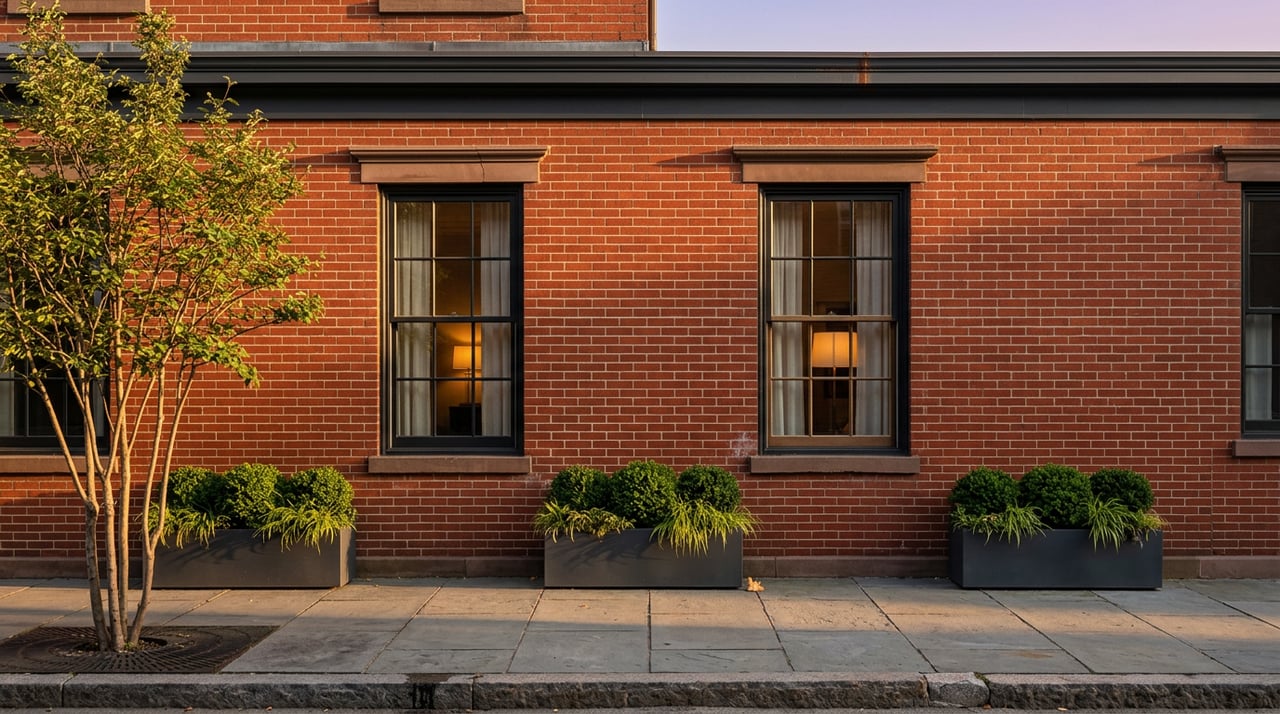
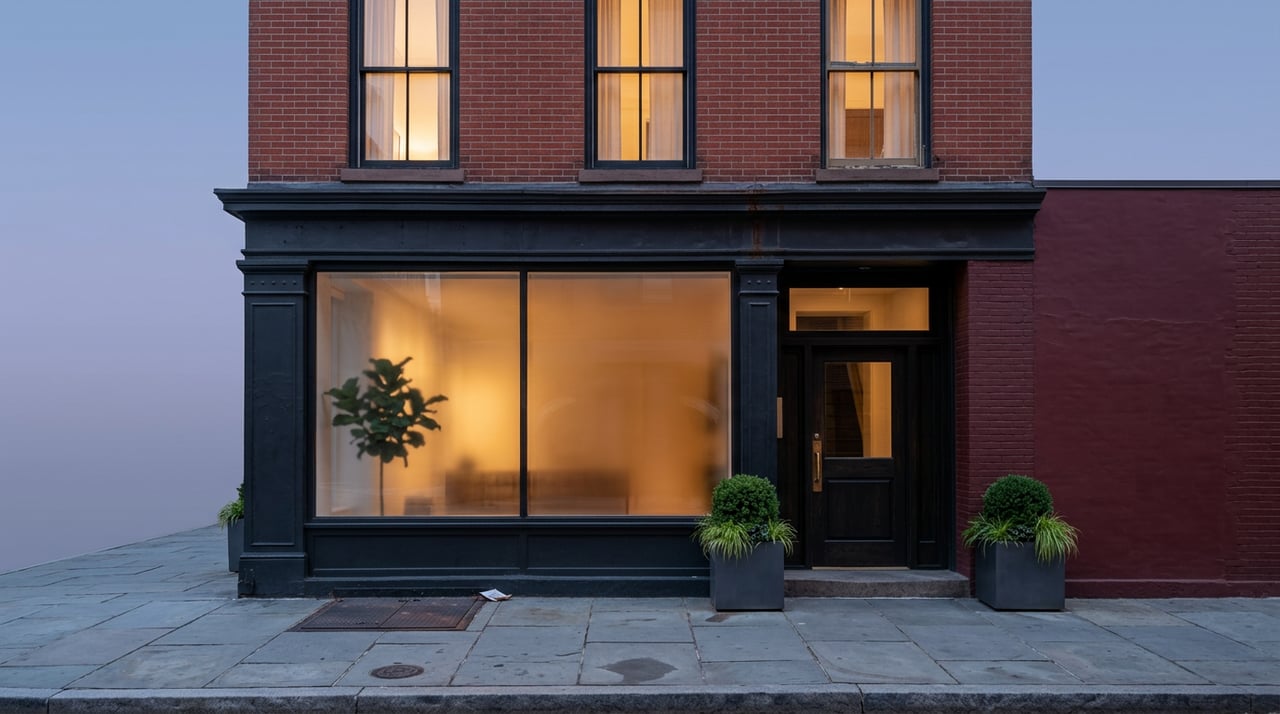
In Hoboken, a “brownstone” usually means a historic multi-story townhouse or rowhouse with a masonry façade, stoop, and private outdoor space. Supply is limited, and well-maintained properties can command a premium due to scarcity and character. Local coverage highlights how these homes offer private, house-like living along with potential renovation constraints tied to historic details. You can read more on the broader appeal and tradeoffs in the Financial Times’ overview of brownstone living in the region for context: why historic townhouses hold their value and complexity.
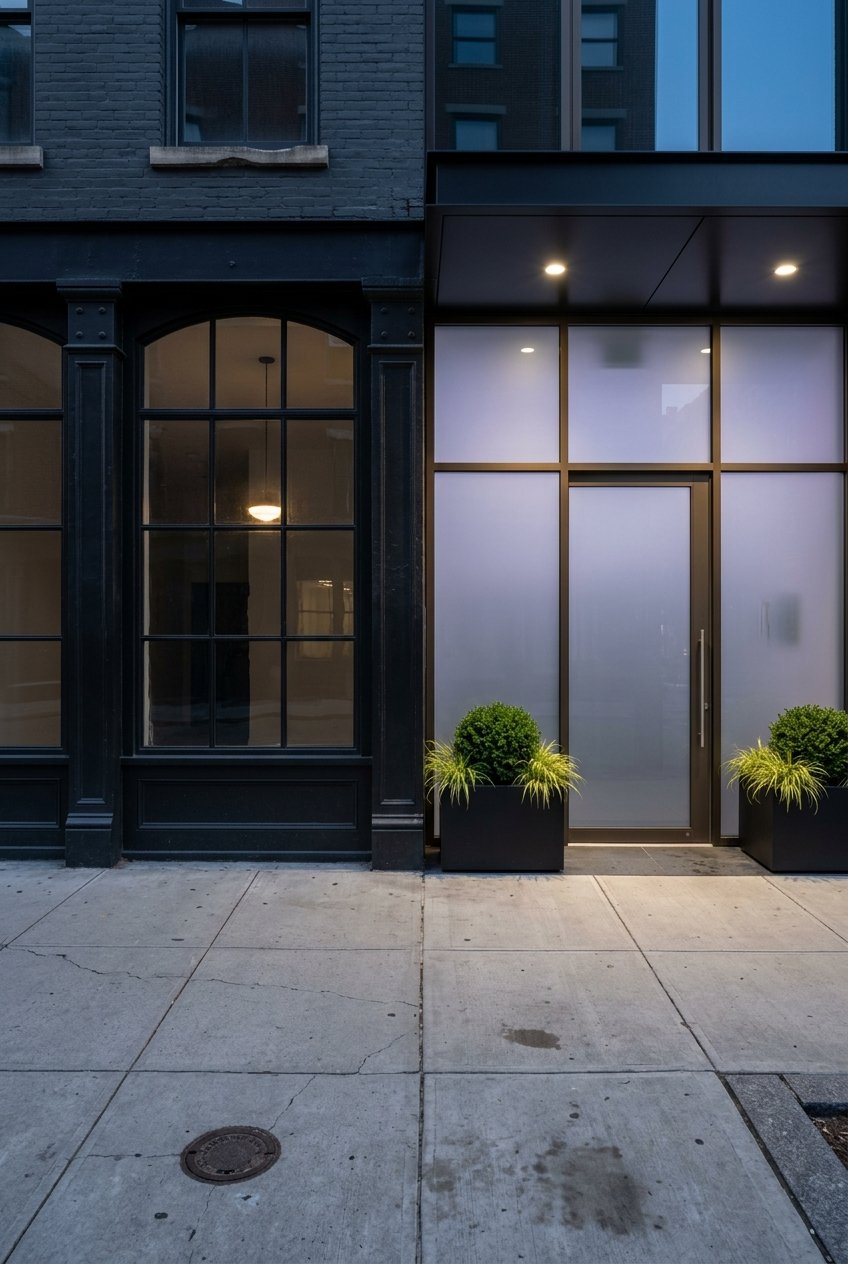
“Newer condos” in Hoboken typically refer to post-1990s buildings where you own a unit and share building systems and amenities. These communities may offer elevators, doormen, gyms, roof decks, package rooms, and on-site management. Inventory is broader and often more standardized by floorplan and finish, which can attract a wider buyer pool.
Hoboken remains a tight, near-city market with higher median sale prices than many New Jersey towns. Your decision often comes down to how you value private outdoor space and house-like independence versus turnkey convenience and shared maintenance.
Total cost of ownership
Beyond mortgage principal and interest, plan for property taxes, maintenance and capital repairs, insurance and potential flood coverage, and possible HOA fees for condos.
Property taxes in Hoboken
New Jersey’s 2024 averages show Hoboken’s typical residential tax bill at about $9,317 with an average assessed value around $527,554. These are municipality-level benchmarks for planning. Always calculate taxes for the specific property based on its assessment. You can view the state’s figures here: New Jersey Division of Taxation 2024 residential statistics.
What that means for you:
- A brownstone’s annual tax bill usually scales higher because you are taxed on the whole property.
- A condo unit often has a lower individual tax bill, but your monthly total includes HOA dues that can be significant in full-service buildings.
Maintenance and capital repairs
A common planning rule suggests setting aside roughly 1% to 3% of a home’s value per year for maintenance, with older or historic properties often requiring more, sometimes 2% to 4% or higher depending on condition and deferred work. This is a guideline to help you budget realistically.
Brownstone considerations:
- Expect periodic larger projects like exterior masonry repointing, brownstone or lintel restoration, roof replacement, waterproofing, and heating system upgrades.
- Typical cost examples: brick or stone repointing may range from a few dollars to tens of dollars per square foot depending on scope, and specialized historic façade restoration projects can run from the tens of thousands to six figures for full façades. See practical ranges for repointing and tuckpointing costs and an overview of brownstone façade restoration scopes and price drivers.
Condo considerations:
- You pay monthly HOA fees that cover common-area maintenance, staffing, insurance for shared elements, and reserve contributions for big-ticket items.
- Fees vary widely based on amenities and building size. Modest buildings can be in the low hundreds per month, while full-service towers can run into the four figures for larger units. Always review budget, reserves, recent projects, and any history of special assessments.
Insurance and flood exposure
Insurance needs differ by property type. Condo owners typically carry an HO-6 policy for the interior, while the association carries a master policy for common elements. Brownstone owners carry HO-3 or HO-5 policies that insure the structure and contents. If a property sits in a FEMA Special Flood Hazard Area, lenders usually require flood insurance.
Hoboken has worked to reduce localized rainfall flooding through stormwater detention parks and pump infrastructure. These resiliency investments help, but they do not remove property-level risk or the need to verify flood zones and elevation for each address. Learn more about the city’s ongoing efforts in the Southwest Resiliency Park expansion announcement. Before you commit, check the property’s FEMA flood zone, ask for elevation certificates, and get flood insurance quotes for comparison.
Daily living and layout tradeoffs
Space and flow
- Brownstone: Multi-level living with private entry, original details, and often smaller room footprints in older layouts. Mechanical systems are typically in-home. There is usually no elevator.
- Condo: Mostly single-level living with elevators, open plans more common in newer builds, and in-unit laundry in many buildings.
Outdoor space
- Brownstone: Private backyard or terrace is common and highly valued. Usable area varies and needs maintenance.
- Condo: Shared roof decks or courtyards are typical, and some units offer private balconies or terraces, but private yard space is less common.
Parking and access
- Brownstone: Street parking is typical unless the property includes a garage. Stairs are part of daily life.
- Condo: Many newer buildings include deeded or assigned parking options and accessible entries via elevator.
Commute and location
Hoboken’s transit access is a major draw. Depending on your block and timing, a PATH commute to Lower Manhattan can be efficient. As a conservative planning estimate, budget 20 to 30 minutes door to door and test your route at peak times to validate the experience.
Resale and financing differences
Resale dynamics
- Brownstones: Limited supply supports scarcity value for well-maintained historic townhouses with private outdoor space. Renovation constraints tied to historic details can protect character but add complexity and cost. Context on how historic homes hold appeal is covered here: why buyers still prize these homes.
- Condos: A larger and more diverse buyer pool can improve liquidity. Marketability depends heavily on the building’s financial health, reserves, governance, and any special assessments or litigation. Standardized floorplans can broaden demand, provided the building is well managed.
Financing basics
- Brownstone (single-family or townhouse): Conventional residential underwriting applies, subject to appraisal and condition. If the property is 2 to 4 units, lenders may use multifamily guidelines.
- Condo units: Lenders often review the project’s owner-occupancy, reserve posture, and disclosures. Building-level issues can affect loan options and down payment requirements. Work with a mortgage professional early to confirm current project approval standards.
Which option fits you
Consider a brownstone if you:
- Want private, house-like living with a backyard or patio.
- Value historic character and are comfortable planning for periodic capital projects.
- Prefer independence over shared building rules and are okay with stairs.
Consider a newer condo if you:
- Want turnkey convenience with an elevator, amenities, and on-site management.
- Prefer predictable monthly costs via HOA fees over coordinating your own exterior maintenance.
- Value easier resale to a broader buyer pool, assuming the building has strong financials.
Due diligence checklists
Brownstone checklist
- Hire a full home inspector who focuses on roof age, chimneys, masonry joints, foundations and moisture, electrical system, boiler or heating, plumbing, and any evidence of water or flood history.
- Request recent invoices for exterior work like masonry, roof, and waterproofing.
- Verify any historic or landmark status and confirm permits or timelines for exterior restoration. For cost context, see this guide to brownstone façade restoration scope and budgets.
Condo checklist
- Review the HOA budget, reserve study, last 12 to 24 months of board minutes, any pending litigation, and the history of special assessments.
- Verify what the HOA covers versus what you insure on your HO-6. Ask whether the master policy includes flood coverage for the building and what the unit owner must carry.
- Confirm recent and upcoming capital projects like roof, façade, and elevator work, as well as any flood-mitigation upgrades.
For both property types
- Check FEMA flood maps for the address, request any elevation certificates, and obtain a flood insurance quote before you finalize terms.
- Validate the city’s resiliency improvements in the neighborhood while recognizing that property-level risk varies. The city’s updates on projects like the Southwest Resiliency Park expansion provide helpful context.
Bottom line
If you crave private outdoor space and the feel of a classic home, a Hoboken brownstone can be worth the added maintenance planning. If you want convenience, amenities, and shared upkeep, a newer condo is often the better fit. Either way, build your decision around the true monthly cost, building or property condition, flood exposure, and your daily lifestyle needs. When you weigh these tradeoffs with clear due diligence, you set yourself up for a confident purchase and a smoother resale later.
Ready to talk through a specific address or building? Reach out to Gregory Cohen for a personalized game plan and on-the-ground guidance in Hoboken.
FAQs
What are typical Hoboken property taxes for buyers comparing homes?
- The city’s 2024 average residential tax bill is about $9,317, but your actual taxes depend on your property’s assessed value. Always calculate for the specific address.
How much should I budget yearly for a Hoboken brownstone’s upkeep?
- A common rule of thumb is 1% to 3% of the home’s value per year, with older or historic homes often needing 2% to 4% or more depending on condition and deferred work.
Do newer Hoboken condos eliminate big repair bills for owners?
- You avoid direct exterior projects, but you pay HOA fees that fund reserves for major work, and special assessments can occur if reserves are low or large repairs arise.
How do flood risks differ for Hoboken brownstones and condos?
- Risk varies by address and elevation for both. Condos may have building-level mitigation, but you should still check FEMA flood zones and get flood insurance quotes for any property.
Which has better resale in Hoboken, brownstones or condos?
- Well-maintained brownstones can benefit from scarcity, while condos often have broader buyer pools. Building or property condition and financial health drive outcomes in both cases.