Thinking about a NoHo loft and wondering what daily life actually feels like? You are not alone. These homes look incredible in photos, yet the details that shape comfort, privacy, and cost only show up when you live there. In this guide, you will learn what defines a true NoHo loft, the trade-offs to weigh, and smart steps to buy or renovate with confidence. Let’s dive in.
NoHo at a glance
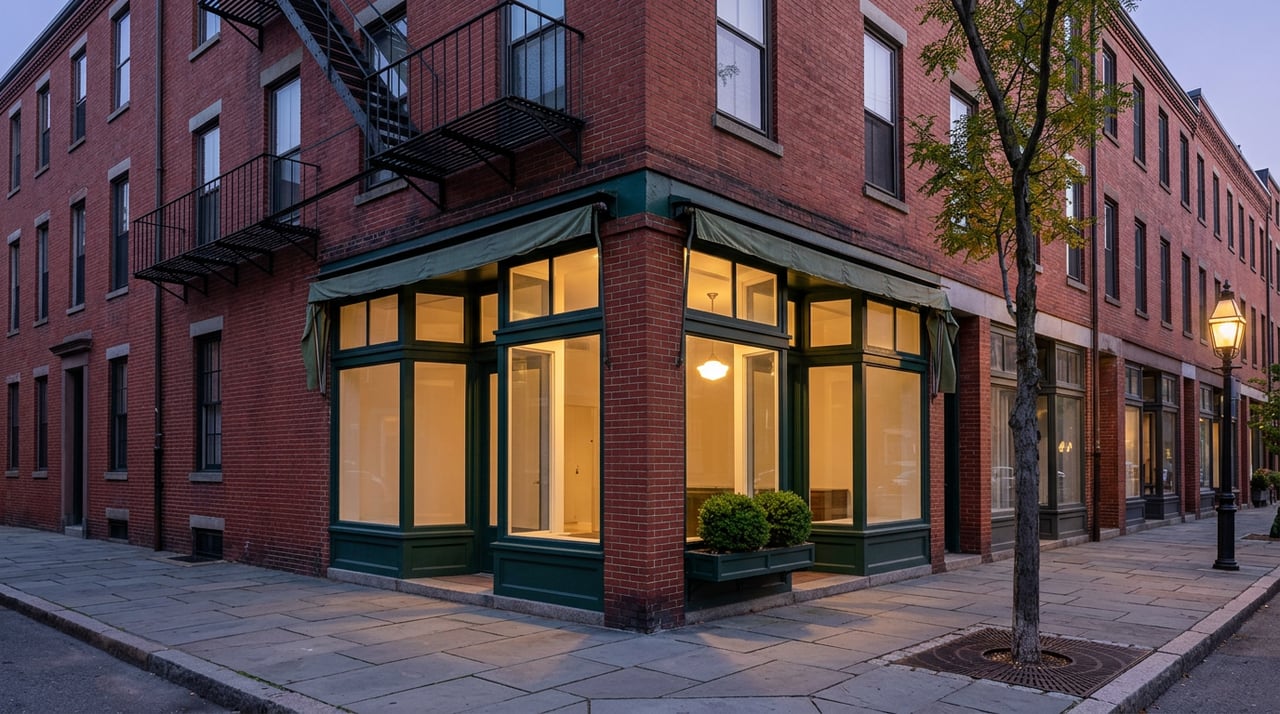
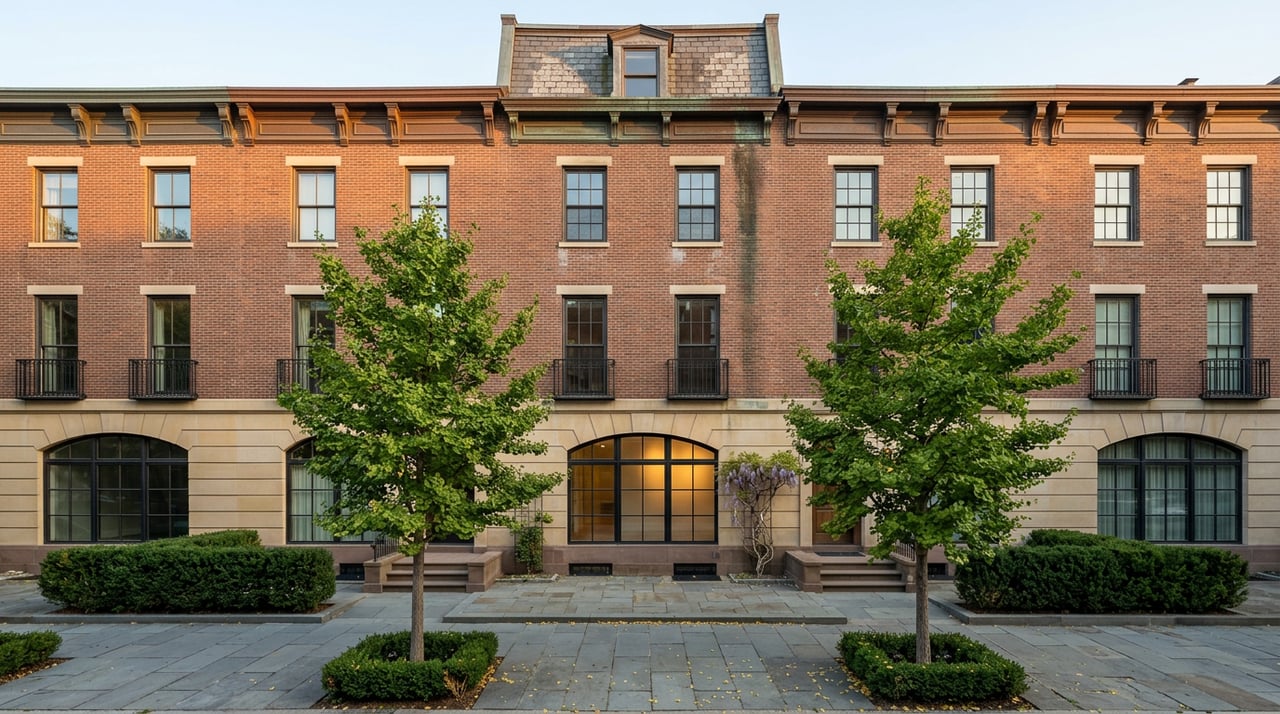
NoHo, short for North of Houston Street, is a compact downtown Manhattan enclave known for landmarked cast-iron and masonry buildings. The streets have a distinct historic character and a low-rise feel compared with nearby corridors. You are within a short walk of shopping, dining, galleries, and nightlife. Multiple subway lines and frequent buses are nearby, and most residents rely on walking, transit, rideshares, or cycling since car parking is limited.
What makes a NoHo loft
Many NoHo lofts started life as commercial or industrial spaces that were later converted to residential use. You also see boutique condos that echo classic loft aesthetics. The result is a mix of co-ops, condos, and rentals that share a few core traits.
Signature physical features
- Open floor plans with large, flexible living areas.
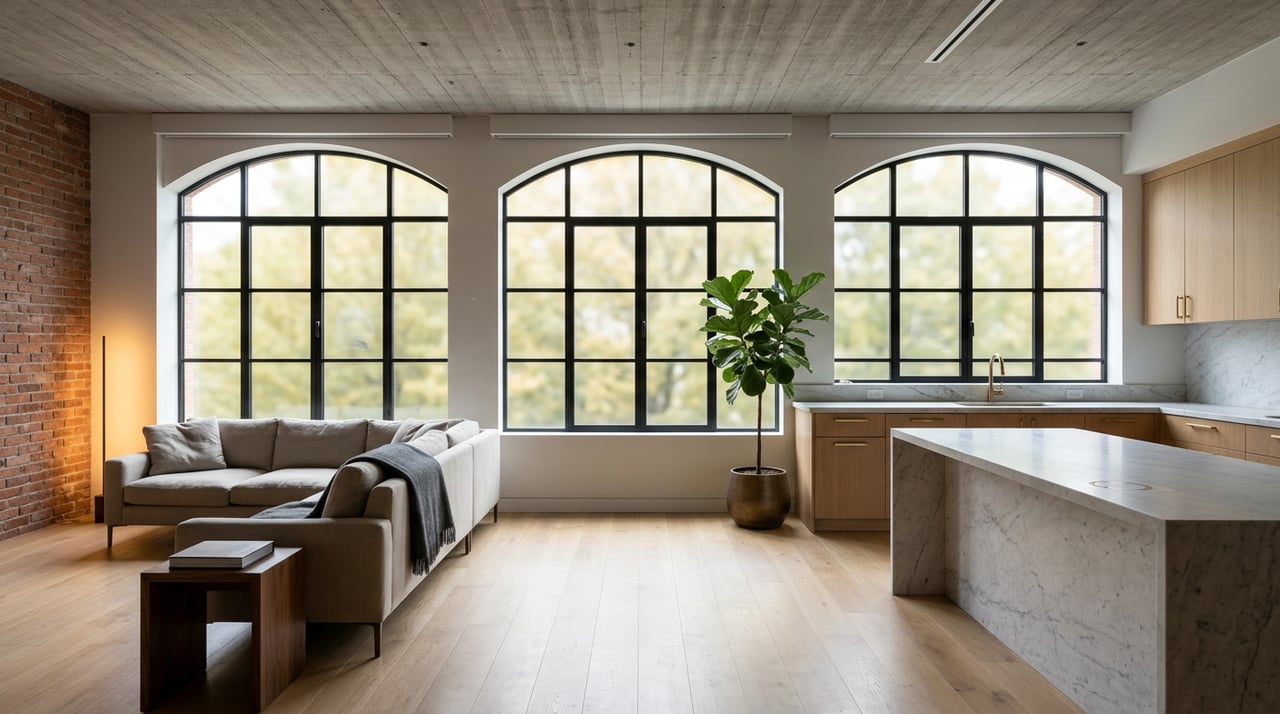
- High ceilings that often range from about 10 feet to 14–16 feet in older conversions.
- Oversized windows with abundant daylight and deep window bays.
- Exposed brick, columns, and beams that showcase original structure.
- Limited built-in closets and storage, which often drives custom solutions.
Systems and building characteristics
- Heating may be steam or hot water radiators; cooling can be window units or mini-splits unless a conversion added central HVAC.
- Conforming conversions include required fire protection and egress, though adding a bedroom can trigger additional code needs.
- Co-ops may have stricter alteration rules, while condos often allow more flexibility.
- Many facades and features are protected by the Landmarks Preservation Commission. Exterior work, including window changes, usually needs approvals and permits.
Daily life in lofts
Lofts deliver volume, daylight, and character. Daily comfort depends on how you handle light, acoustics, climate control, and layout.
Light and privacy
Tall windows bring excellent daylight and a striking sense of space. They also increase visibility from the street. Most owners install layered window treatments, like rollers or sheers, to balance brightness and privacy without losing that open feel.
Noise and acoustics
Open plans carry sound across the entire space, which reduces internal privacy. Street activity can be noticeable, especially with single-pane windows and hard interior surfaces. Common fixes include rugs, acoustic panels, bookcases, insulated partitions, and upgraded or secondary glazing.
Comfort and energy use
Large windows and tall walls can lead to heat loss in winter and heat gain in summer. Many conversions add insulation, better windows, and higher-efficiency HVAC. If you plan to add or upgrade central air, expect careful routing that preserves finishes, especially in landmarked buildings.
Storage and layout planning
Classic lofts often lack closets. Built-ins and custom cabinetry are common solutions, and glass partitions or sliding systems help create bedrooms or offices without blocking light. If storage is a priority, study the floor plan and usable square footage closely.
Building services and amenities
Many older loft buildings are low service with limited amenities and no doorman. Newer boutique loft condos may offer staffed lobbies, fitness rooms, roof decks, bike storage, and package handling. Management style impacts daily convenience, so ask how the building handles deliveries, laundry, and trash.
Amenities and trade-offs
Choosing between a classic loft and a newer loft-style condo comes down to lifestyle, cost structure, and character.
Classic loft buildings
- Pros: authentic materials like brick and cast iron, dramatic ceiling heights, unique floor plans, and often lower monthly charges than full-service towers.
- Cons: fewer shared amenities and on-site services, more owner responsibility for upgrades, and DIY problem solving for daily needs.
Newer loft-style condos
- Pros: staffed lobbies, fitness and roof amenities, storage and bike rooms, and more turnkey living.
- Cons: higher purchase prices and monthly common charges, and interiors that may feel more standardized.
Buying and renovating basics
Lofts are compelling, but they come with specific legal and technical considerations. Lining up the right team and approvals early will save time and stress.
Co-ops vs. condos
Ownership type affects everything from financing to renovations. Co-ops often have more detailed alteration rules and board processes. Condos are usually more flexible on renovations and subletting. Lenders may ask for extra documentation for conversions or unconventional layouts, so verify mortgageability early.
Permits and approvals
Structural changes, window replacements, plumbing or HVAC work, and any exterior scope typically require Department of Buildings permits. If the facade is landmarked, you will also need Landmarks Preservation Commission approval. Interior work must follow building and board procedures before permits are filed.
Common upgrades to plan for
- Partitions to create bedrooms or an office, often with glass to preserve daylight.
- Window improvements, such as secondary glazing, subject to landmark rules.
- HVAC upgrades, from mini-splits to full central air.
- Custom closets and built-in storage.
- Acoustic enhancements, including underlayment, panels, and soft finishes.
Smart viewing checklist
Use this quick list when touring NoHo lofts:
- Confirm legal residential status and conversion approvals, including the certificate of occupancy and offering plan details.
- Measure ceiling heights and note window type and condition, including drafts and hardware.
- Review the heating and cooling systems, age, and capacity. Ask if they are centralized or individual.
- Look for water intrusion or staining at ceilings, window sills, and brickwork, and ask about roof and drainage maintenance.
- Listen for street and neighbor noise at different times of day.
- Evaluate storage and the scope of potential built-ins.
- Ask about monthly maintenance or common charges, reserves, assessments, and alteration policies.
- If a co-op, review board rules on renovations, subletting, and pets.
- Check whether the facade is landmarked and what changes require Landmarks approval.
Who thrives in NoHo lofts
You will appreciate a NoHo loft if you value historic architecture, flexible layouts, and proximity to culture and dining. If you prefer a full-service experience with amenities and on-site staff, consider newer loft-style condos nearby. Either way, inventory is limited, so preparation and timing matter.
Is a NoHo loft right for you
A NoHo loft gives you soaring space, daylight, and character that is hard to find elsewhere in Manhattan. The trade-off is more planning around privacy, noise, storage, and building services. With a clear checklist and the right approvals, you can shape a loft to your lifestyle while preserving its historic soul.
When you are ready to tour, compare options, or map a renovation path, reach out to Gregory Cohen for senior-level guidance, co-op and condo expertise, and a tailored plan. Request a personalized market valuation and consultation.
FAQs
Are NoHo lofts noisy compared with other homes
- They can be, due to open interiors and downtown street activity, so plan for acoustic treatments and window upgrades during or after purchase.
How private is life in an open-plan loft
- Open layouts prioritize light and volume over separation, which is why many owners add enclosed bedrooms or glass partitions for privacy.
Do NoHo lofts get good natural light
- Yes, tall windows and minimal interior walls often provide excellent daylight, though window treatments help manage glare and privacy.
Are renovations restricted in landmarked NoHo buildings
- Exterior changes on landmarked facades need Landmarks approval, and interior structural or mechanical work requires building approvals and Department of Buildings permits.
Are classic lofts cheaper than full-service condos
- Not necessarily, since unique lofts may command premiums and full-service buildings carry higher monthly charges, so compare total monthly cost and features.
What should I confirm before making an offer on a loft
- Verify legal residential status, review the offering plan and building financials, assess unit mechanicals and windows, and ask about reserves, assessments, and planned building work.