Looking at NoHo lofts can feel a little like reading New York history in three dimensions. One building may show off a cast-iron storefront and marble upper floors, while another reveals a former factory shell now arranged as a full-floor home. If you are shopping here, understanding that architectural mix can help you see past finishes and focus on what really drives character and long-term appeal. Let’s dive in.
Why NoHo Feels Different
NoHo stands out because its housing stock grew from several building types rather than one uniform residential pattern. The area includes former residences, store-and-loft buildings, cast-iron facades, and later warehouse-to-residential conversions. That layered built environment is a big reason architecture-minded buyers are drawn here.
Historic designation also shapes the neighborhood’s feel. The original NoHo Historic District was approved in 1999 and extended in 2008, and the nearby NoHo East Historic District was designated in 2003. Together, these districts help preserve the streetscape around Broadway, Bond Street, Lafayette Street, Bowery, and the connecting side streets.
How NoHo’s Loft Stock Developed
Early store-and-loft buildings
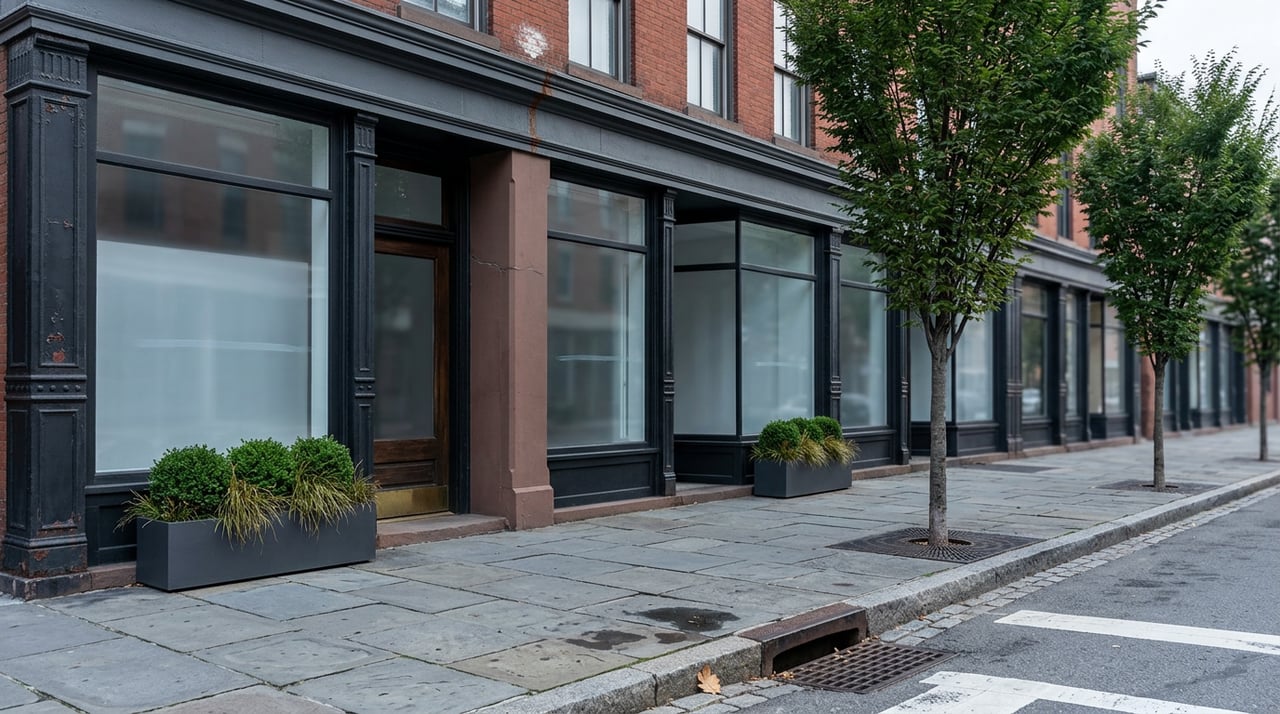
According to the Landmarks Preservation Commission, many earlier store-and-loft buildings in NoHo were about 25 feet wide and usually five stories tall. They often featured a cast-iron storefront base with upper floors faced in marble. That design still helps explain why so many NoHo homes feel taller, more open, and more flexible than a standard apartment layout.
Those upper floors were not built for one single use. Historically, they served as storage, light manufacturing, showrooms, offices, and later other purposes. For you as a buyer, that history often shows up in open plans, large windows, and a layout that feels adapted rather than conventionally residential.
A district with strong architectural continuity
The NoHo Historic District still retains much of its nineteenth- and early-twentieth-century commercial character. The LPC reports that most of the roughly ninety commercial buildings constructed there between the early 1850s and 1910s remain. Streetscapes are unified by marble, cast iron, limestone, brick, and terra-cotta facades.
At the same time, not every building reads as fully original. Some storefronts, sash, and infill have been altered over time. When you tour properties, it is normal to find a mix of highly intact facades and buildings with more visible renovations.
NoHo East adds a residential story
NoHo East broadens the architectural picture. The LPC describes that district as containing 42 residential, commercial, and institutional buildings dating from the early nineteenth through early twentieth centuries. The mix begins with rare Federal-style row houses and later includes Italianate, neo-Grec, mercantile, and store-and-loft buildings.
That matters if you want a neighborhood with variety block by block. After World War II, artists converted lofts into studios and galleries, and since the 1970s many commercial buildings have been converted to cooperative apartments. In practical terms, your options may range from clearly industrial loft spaces to homes with a more residential starting point.
Landmark Blocks Worth Knowing
Bond Street’s industrial-to-residential arc
Bond Street is one of the clearest examples of NoHo’s evolution. The LPC identifies 1 to 9 Bond Street as a row of cast-iron-fronted, Second Empire factory buildings with elaborate mansard roofs, completed in 1873. Numbers 7 and 9 survive, while 1 through 5 were rebuilt in a similar design after a fire.
The same row also shows how adaptive reuse became part of NoHo’s identity. The building served as a factory until about 1980, when it was converted to condominiums. If you are comparing properties, this kind of history can help you understand why some homes offer dramatic architecture paired with a more modern residential setup.
Broadway and Lafayette as architectural anchors
Broadway and Lafayette Street show the district’s commercial depth. The LPC highlights 620 Broadway as one of the oldest cast-iron-fronted buildings in the city. It also points to 436 to 440 Lafayette Street as a cast-iron-fronted warehouse and 622 to 626 Broadway as a store-and-loft building with a cast-iron facade on Broadway and a brick rear elevation on Crosby Street.
For home shoppers, these are useful reference points. They show how an ornate public-facing frontage can sit in front of a building that was designed for flexibility behind the facade. That often translates into loft interiors with strong proportions and adaptable layouts.
Bowery’s layered edge condition
The Bowery tells a different story. In the nineteenth century, it developed into a major urban corridor and later became the city’s central entertainment area, while the surrounding neighborhood shifted away from elite residential use. Commercial development then expanded into the area, and many lofts were later adapted for studios, galleries, and cooperative housing.
If you are shopping near the Bowery, it helps to think of these blocks as a layered commercial fringe rather than a single-period streetscape. That can be a plus if you appreciate architectural variety and a neighborhood edge that feels visually distinct from quieter side streets.
What Historic Designation Means for Buyers
Exterior changes usually require review
In a designated historic district, LPC review is part of ownership. The commission states that it must approve in advance any alteration, reconstruction, demolition, or new construction affecting a designated building. Buildings within historic districts generally need permits for most alterations.
That does not mean every project is impossible. Ordinary exterior repairs and maintenance can be exempt, and interior work is usually outside LPC review unless it affects the exterior or an interior landmark. Still, if you are considering visible exterior changes, it is smart to investigate early.
Portico is part of the process
LPC now processes permit applications through Portico, its web-based portal. Owners can upload documents, track applications, and download permits there. If you are buying with plans for facade work, rooftop changes, or new windows, that review path is part of the ownership picture.
Designation preserves character, not stasis
Historic designation does not freeze a building in time. LPC notes that alterations, demolition, and new construction can still happen if they are reviewed and found appropriate. For you, the key question is usually whether a building’s historic shell can support the changes you want while staying in line with district rules.
How To Evaluate a NoHo Loft
Start with volume and layout
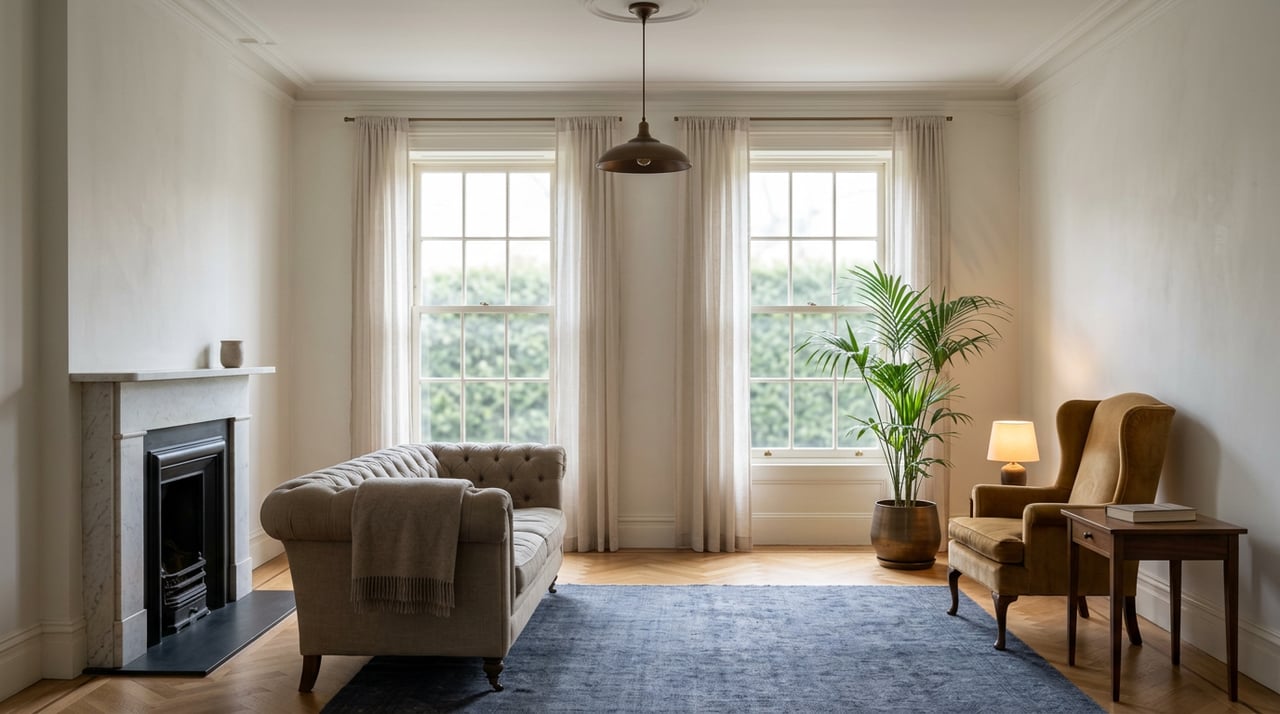
Modern lofts are closely associated with converted industrial buildings, open floor plans, high ceilings, and large windows. The LPC’s description of NoHo’s historic loft floors supports that idea, emphasizing their long history as adaptable work and display spaces. In the best examples, the original volume still feels legible.
When you walk a space, pay attention to whether the plan still breathes. Later partitions, lowered soffits, or oversized mechanical chases can change the feel dramatically. A loft may have generous square footage on paper but feel less compelling if the original openness has been heavily carved up.
Check natural light carefully
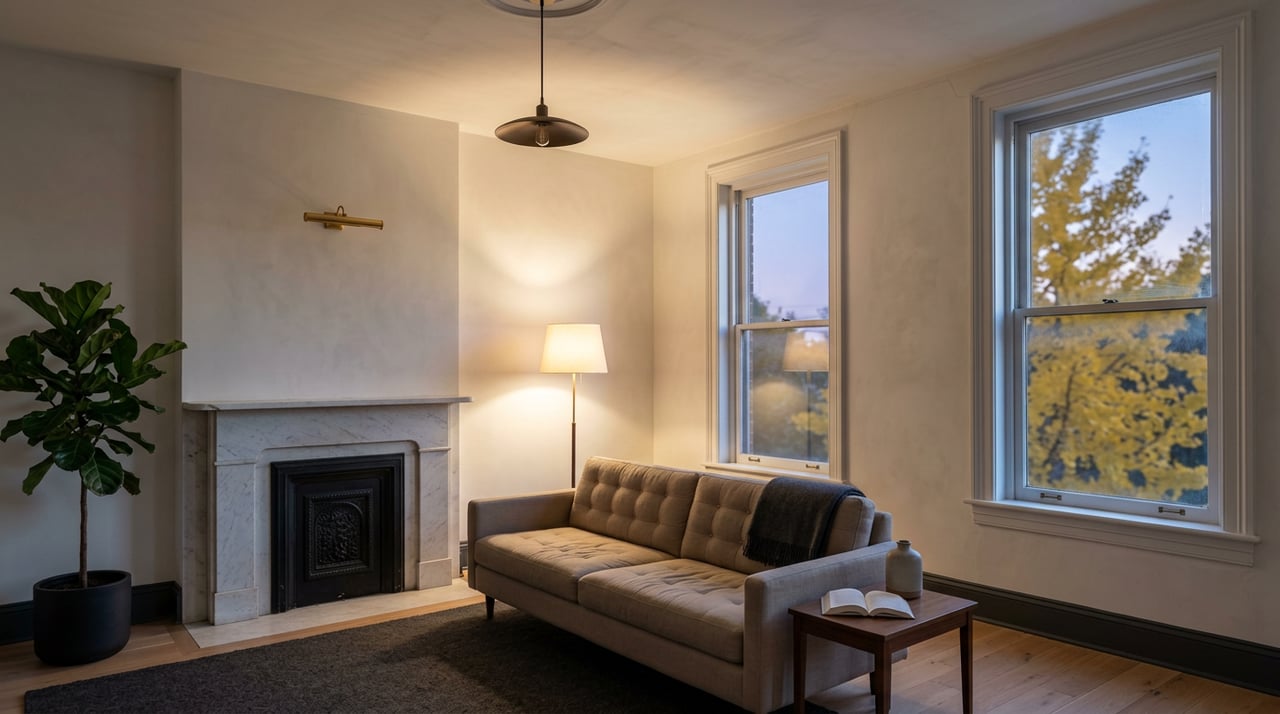
Light is one of the most important issues in a loft. Deep industrial floorplates can make it harder for daylight to reach the center of the apartment. That means the same square footage can live very differently depending on window placement and how the interior has been planned.
As you tour, ask three simple questions:
- How deep is the floorplate?
- Where are the main window walls?
- Do skylights or light wells help brighten the interior?
If the answer to those questions is strong, the apartment may feel much more livable over time.
Look past finishes to structure
Finishes are easy to update. Core architectural features are harder to change. Ceiling height, structural rhythm, and window scale often matter more than décor when you are judging long-term appeal.
Converted industrial spaces can also vary in comfort. Loft-style homes may have draftier perimeter walls, weaker insulation, or more sound transfer between floors and ceilings. That is why it is worth looking beyond staging and focusing on the shell of the building and the feel of the space itself.
What Often Drives Value in NoHo
For many architecture-minded buyers, value in NoHo comes from a combination of preserved facade character, visible structural rhythm, generous ceiling volume, and usable daylight. In this neighborhood, those elements can matter as much as, or more than, raw square footage. A home with strong proportions and authentic architectural presence often reads differently from one that simply maximizes area.
That is also why local guidance matters. In a neighborhood where one block can include Federal-style row houses, cast-iron loft buildings, and later cooperative conversions, the smartest purchase decisions usually come from understanding the building before judging the unit. If you know what the architecture is telling you, you can shop more confidently and compare homes on the factors that truly set NoHo apart.
If you are exploring NoHo lofts and want experienced guidance on how a building’s architecture, layout, and historic context may affect your purchase, reach out to Gregory Cohen for a personalized consultation.
FAQs
What makes NoHo loft architecture distinct for home shoppers?
- NoHo stands out for its mix of former residences, store-and-loft buildings, cast-iron facades, and warehouse-to-residential conversions, all shaped by historic district preservation.
What should buyers know about NoHo historic district rules?
- In NoHo’s designated historic districts, most exterior alterations, reconstruction, demolition, and new construction require advance review and approval from the Landmarks Preservation Commission.
What are the best architectural details to look for in a NoHo loft?
- Buyers often focus on preserved facade character, high ceilings, visible structural rhythm, large windows, open layout potential, and strong natural light.
Why is natural light so important in NoHo loft apartments?
- Many lofts have deep industrial floorplates, so the location of window walls, skylights, and light wells can have a major impact on how bright and functional the interior feels.
Which NoHo streets best show the neighborhood’s landmark architecture?
- Bond Street, Broadway, Lafayette Street, and Bowery are key reference points because they show NoHo’s cast-iron fronts, store-and-loft buildings, factory conversions, and layered commercial history.