Are you drawn to soaring ceilings and cast-iron charm, or do you want a more turnkey condo with a doorman, gym, and predictable systems? In NoHo, that choice is not just about style. It can shape your renovation options, monthly costs, and day-to-day living experience in one of Manhattan’s most limited and expensive markets. If you are weighing a historic loft against a newer building, here is what to focus on before you make your move. Let’s dive in.
Why This Choice Matters in NoHo
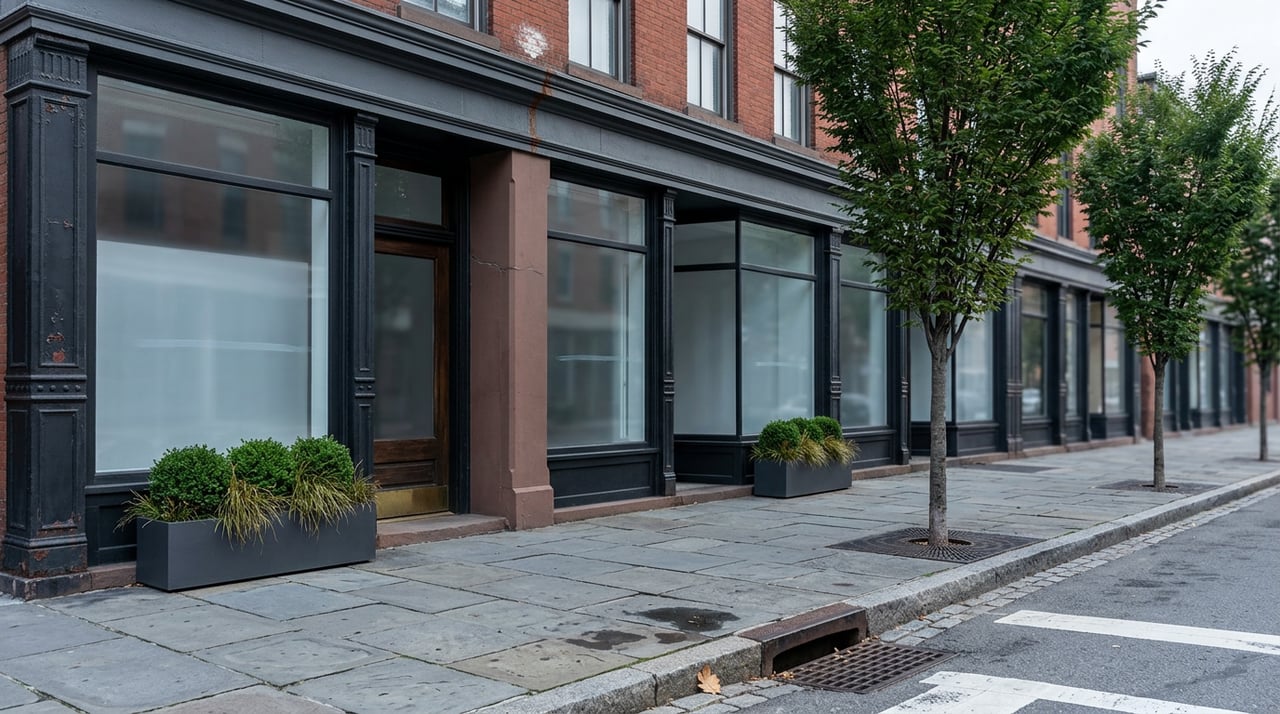
NoHo has a very specific housing mix. The neighborhood is known for landmarked 19th- and early-20th-century loft, warehouse, and cast-iron buildings, along with a smaller group of newer condominiums concentrated along Bond Street.
That split matters because inventory is tight and turnover is low. Recent market snapshots showed a median sale price around $3.75 million to $4 million in May 2026, with only four reported sales over the prior three months. In a market this thin, the type of building you choose can matter just as much as the location itself.
Historic Lofts in NoHo
What historic lofts usually offer
Historic lofts in NoHo often deliver the character buyers picture when they think of downtown Manhattan. Many of these buildings began as commercial or light industrial properties and were later converted to residential or mixed use.
That older building stock often translates into details you can feel right away. You may find higher ceilings, large windows, deeper floor plates, and a more distinctive architectural identity than in a typical new condo.
A representative example is 7 Bond Street, a 1904 cast-iron building converted to condominiums in 1986. Building information highlights features such as central air, hardwood floors, fireplaces, washer/dryers, and some private outdoor space, while offering few shared building amenities. That balance is common in historic loft conversions across NoHo.
Where historic lofts shine
If you value originality, historic lofts can be especially appealing. You are often buying space with a stronger sense of volume and a layout that feels less standardized than newer development.
That can make a loft feel more personal and more memorable. In a neighborhood where buyers often care deeply about architectural authenticity, those details can carry real weight.
What to watch with landmarked buildings
The biggest practical issue is renovation complexity. Because much of NoHo sits within a historic district, exterior changes often require review by the Landmarks Preservation Commission.
Ordinary repairs may be straightforward, but visible facade work, window replacements, rooftop additions, and some interior work tied to permits or protected features can involve more review. The Department of Buildings also requires permits for most construction and major alterations in New York City.
For you as a buyer, that means the design freedom may not be as simple as it looks during a showing. A beautiful loft can offer flexibility and scale, but planned improvements may take more time, more coordination, and more patience.
Newer Buildings in NoHo
What newer condos usually offer
NoHo’s newer condo stock is smaller than its historic inventory, but it tends to deliver a fuller service package. Bond Street is the clearest cluster of this newer product, including buildings completed in 2008 and 2014.
These are not usually giant tower developments. In NoHo, many new condos still feel boutique in scale, which can appeal to buyers who want luxury services without a high-rise atmosphere.
A useful example is 25 Bond Street, a 2005-built condo with features such as full-time concierge and doorman service, elevator access, parking, storage, a gym, central air, private outdoor space, and washer/dryer setups. That kind of package creates a very different ownership experience from a classic loft conversion.
Where newer buildings shine
If your priority is convenience, newer condos often make a strong case. You may be comparing practical benefits like package handling, staff coverage, elevator access, parking, storage, and fitness space, not just countertops and appliances.
Newer buildings can also feel more predictable from unit to unit. In a boutique condo with more standardized systems and finishes, it is often easier to understand what you are buying and how the building functions day to day.
What to weigh in exchange
That easier lifestyle can come with tradeoffs. You may get less historic texture, less unusual interior scale, and a more polished but less distinctive feel than in an older loft.
You may also pay for the amenity package through higher carrying costs. In NoHo, service level is a major part of the ownership equation, especially when purchase prices are already high.
Comparing Daily Life
Character versus convenience
This is often the clearest dividing line. Historic lofts usually appeal to buyers who want a home with visible age, architectural personality, and less cookie-cutter design.
Newer condos tend to appeal to buyers who want simplicity. If you travel often, split time between homes, or prefer a lock-and-leave setup, a building with staff and more built-in services may feel like the better fit.
Flexibility versus predictability
Historic lofts can offer more unusual layouts and a sense of creative possibility. At the same time, older building systems and landmark review can make changes more involved than expected.
Newer buildings often offer a smoother ownership experience. You are more likely to know what the systems, finishes, and service standards look like before you buy.
Due Diligence Matters Either Way
No matter which direction you lean, building-level review is critical. New York’s Attorney General guidance for co-op and condo buyers recommends closely reviewing the building’s physical condition, including the facade, roof, elevators, HVAC, windows, electrical, plumbing, flooring, and appliances.
You should also review the offering plan, board minutes, and any defect or violation history. That advice matters in NoHo because older conversions can conceal aging infrastructure, while newer buildings can still have sponsor or construction-related issues.
In other words, do not let aesthetics do all the work. The right home is not just the one that photographs well. It is the one that fits your goals and holds up under careful review.
Carrying Costs Can Look Different
Monthly ownership costs may vary more than you expect, even between homes with similar purchase prices. Service packages, staffing, maintenance needs, and tax treatment can all affect the total monthly picture.
New York City also offers a co-op and condo property tax abatement for primary residences, administered through the building’s management or board, with benefit levels that depend on assessed value. That means two NoHo properties can look similar on paper but operate very differently once taxes and building services are factored in.
Resale in a Thin Market
NoHo does not produce a large number of transactions, which can make pricing and resale more nuanced. When only a handful of homes trade, buyers often focus closely on the things that make one property stand out from another.
In that environment, loft character, ceiling height, outdoor space, building services, and unit condition can all shape demand. Age alone does not determine resale appeal. The real question is how well the property matches what your likely future buyer will value most.
Which Option Fits You Best?
A historic loft may suit you best if you want architectural authenticity, unusual scale, and a home that feels rooted in NoHo’s past. You just need to be prepared for a more complex renovation path and a lighter shared amenity package.
A newer building may suit you best if you want convenience, stronger service levels, and a more predictable ownership experience. You may give up some historic texture, but you may gain simplicity that makes daily life easier.
In NoHo, there is rarely a one-size-fits-all answer. The smartest move is to compare not just finishes and floor plans, but also approvals, systems, service levels, and long-term fit with your lifestyle.
If you are comparing lofts and condos in NoHo, Gregory Cohen can help you evaluate the tradeoffs, review the building story behind the listing, and move forward with clear, senior-level guidance.
FAQs
What is the main difference between historic lofts and newer buildings in NoHo?
- Historic lofts usually offer more original character and unusual interior scale, while newer buildings often offer more amenities, services, and predictable systems.
Do historic NoHo lofts have more renovation restrictions?
- Often, yes. In NoHo’s historic district, many exterior changes and some permitted interior work may require Landmarks Preservation Commission review, along with Department of Buildings permits when applicable.
Are newer NoHo condos mostly large towers?
- No. In NoHo, newer condos are often boutique buildings, especially along Bond Street, rather than large tower developments.
Why do carrying costs vary so much between NoHo buildings?
- Monthly costs can differ based on building services, staffing, maintenance needs, and property tax treatment, including whether a primary-residence tax abatement applies.
What should you review before buying a condo or loft in NoHo?
- Focus on the building’s physical condition, systems, offering plan, board minutes, and any defect or violation history, in addition to the unit’s layout and finishes.
Is resale harder to predict in NoHo?
- It can be, because NoHo is a thin market with low transaction volume, so buyer demand may hinge more on character, condition, outdoor space, and service level than on simple age or price per square foot.