Choosing between a brownstone and a condo in Downtown Jersey City can feel simple at first, until you start looking closely at the tradeoffs. You may love the charm of a historic rowhouse or the ease of a newer amenity building, but the right fit usually comes down to how you want to live day to day. If you are weighing space, upkeep, commute, monthly costs, and resale, this guide will help you compare both paths with more confidence. Let’s dive in.
Downtown Jersey City has two housing styles
Downtown Jersey City is shaped by two overlapping housing stories. On one side, you have historic rowhouse districts such as Hamilton Park, Harsimus Cove, Paulus Hook, and Van Vorst Park. On the other, you have newer condo development concentrated closer to the waterfront and PATH-connected blocks.
That means your decision is often less about price alone and more about lifestyle and ownership structure. In many cases, you are comparing a historic, multi-level home with more direct owner responsibility against a condominium with shared services, rules, and monthly common charges.
Brownstones offer character and house-style living
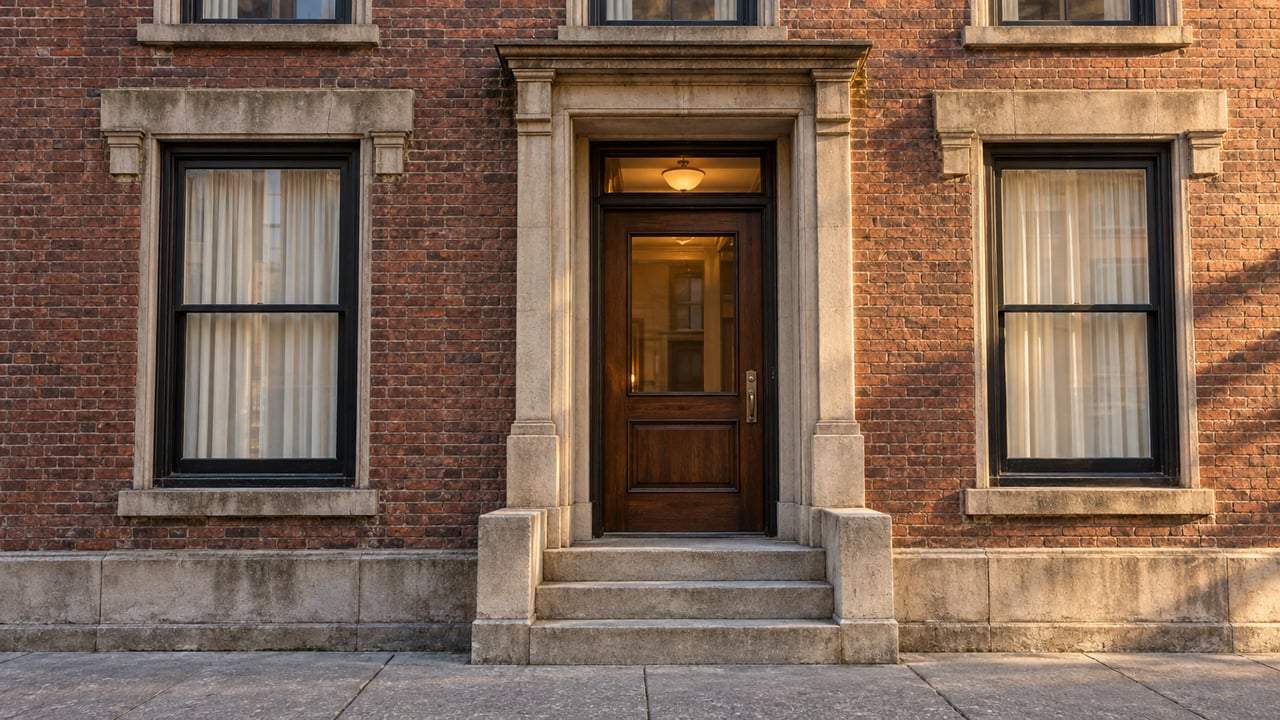
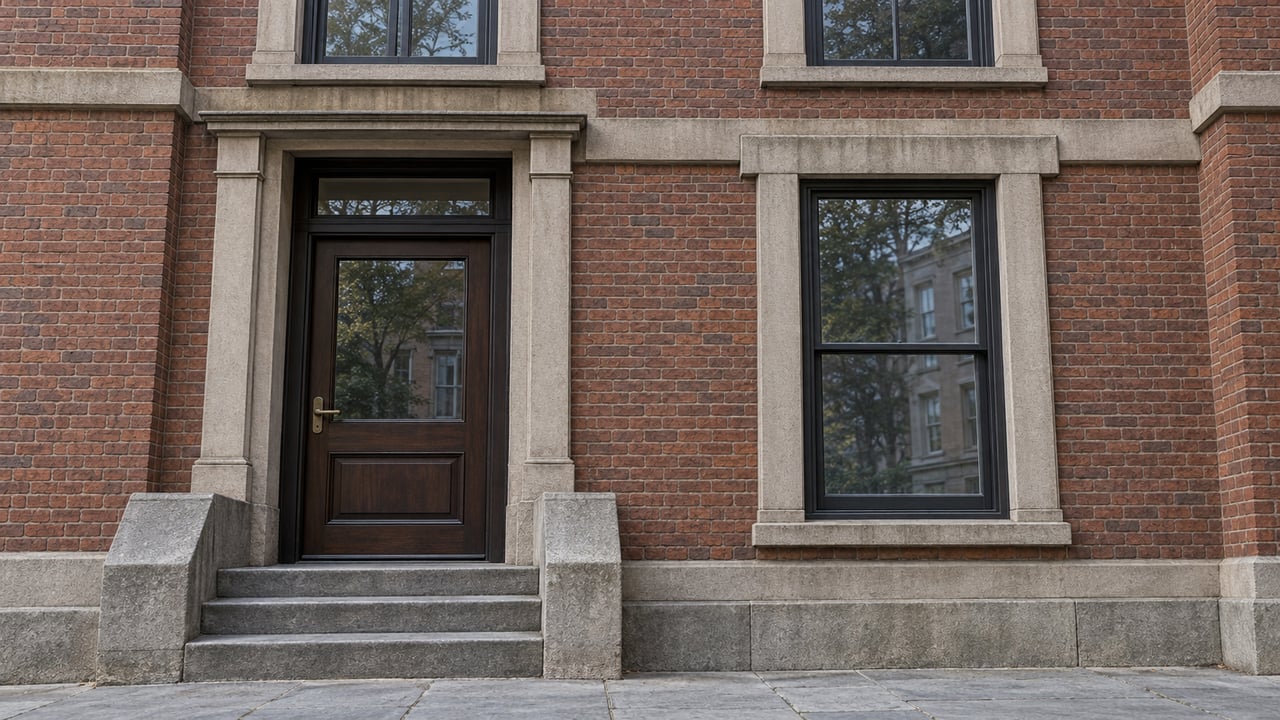
Jersey City’s preservation guidelines describe many downtown rowhouses as three bays wide, two to three stories high, with basements and parlor-floor stoops. For you as a buyer, that often means vertical living with stairs, older building systems, and a layout that feels more like a house than an apartment.
Brownstones can offer a strong sense of character and private space. You may get details and proportions that are hard to replicate in newer construction. At the same time, older buildings often require ongoing maintenance and, in some cases, replacement of deteriorated architectural features.
Historic district rules matter
If a brownstone is located in a designated historic district, exterior work is usually more regulated. In Downtown Jersey City, development, alteration, rehabilitation, repair, additions, and demolition in those districts generally require Historic Preservation Commission approval before work begins.
That does not make brownstone ownership a bad choice. It simply means you should expect more process if you want to change exterior elements or confirm whether past work was properly approved. For resale, that paperwork and condition history can matter quite a bit.
Condos offer convenience and shared amenities
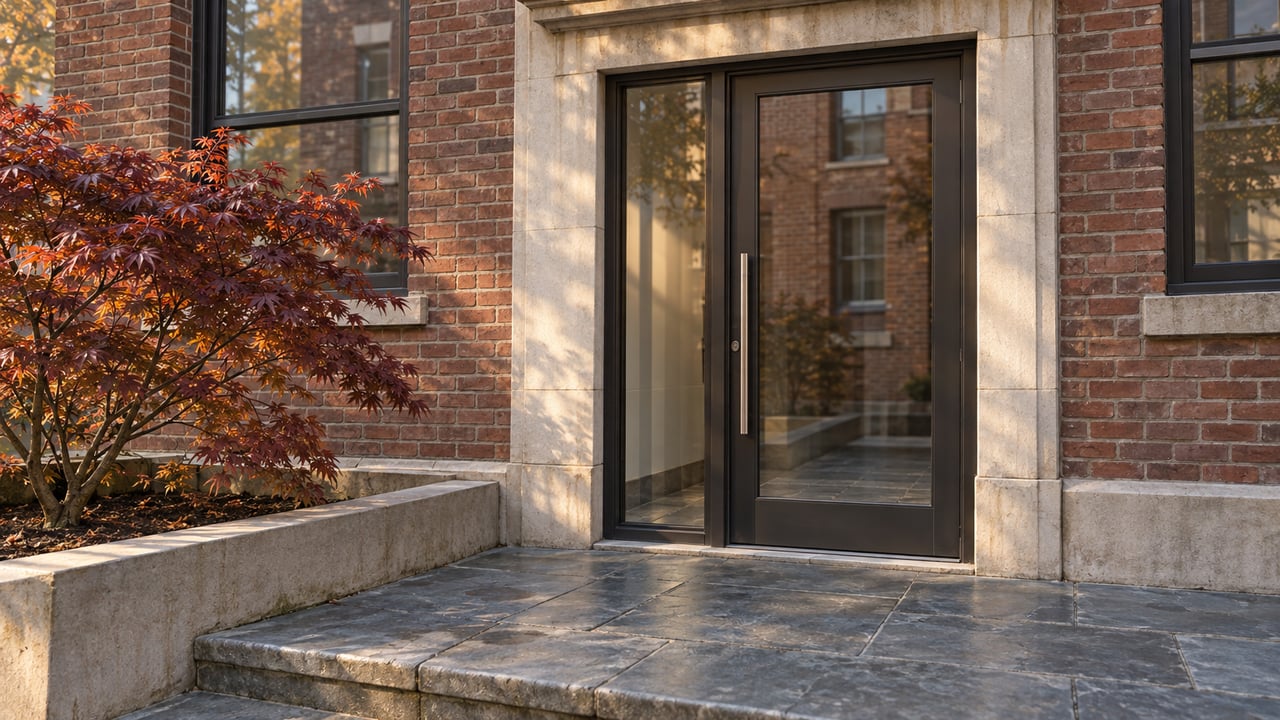
Newer condo buildings in Downtown Jersey City are concentrated near the waterfront and major transit connections. These buildings often feature elevator access, more standardized floor plans, and a wider amenity package than a typical rowhouse.
For example, 77 Hudson is a 48-floor, 420-unit high-rise in Paulus Hook with layouts from studios to 3-bedroom homes and amenities that include concierge service, indoor parking, a pool, fitness center, lounge areas, and more. The Oakman also highlights features such as 24/7 concierge, valet parking, a fitness center, a playroom, EV car sharing, and rooftop amenities.
Condo living is more shared by design
A condo can feel easier day to day because many services and building systems are managed collectively. You may spend less time thinking about exterior upkeep, major common systems, or building operations.
The tradeoff is that condo ownership comes with association rules, shared decision-making, and monthly dues. If you value a more hands-off experience, that may feel like a benefit. If you want maximum control over the physical property, a brownstone or fee-simple townhome may feel like a better fit.
Ownership structure matters as much as layout
One of the biggest mistakes buyers make is focusing only on the look of the home. In Downtown Jersey City, the legal structure of ownership can affect your costs, responsibilities, and even the feel of ownership as much as the floor plan does.
New Jersey guidance distinguishes fee simple townhouse communities from condominiums and co-ops. In a fee-simple setup, maintenance responsibility for the residential building may rest more directly with the individual owner, depending on the association’s role. In a condominium, shared areas and certain exterior or building systems are typically managed through the association.
Ask who maintains what
Before you fall in love with any property, confirm who is responsible for the roof, facade, windows, doors, hallways, basement areas, and other common systems. A home that looks like a townhouse may still have shared obligations, and a condo may have broader building-level services than you expect.
This is one of the clearest ways to compare a brownstone and a condo fairly. You are not just buying square footage. You are buying into a maintenance structure.
Compare the full monthly cost
It is easy to compare mortgage payments and stop there, but that can lead to the wrong conclusion. Your real monthly cost should include property taxes, HOA or common charges, homeowners insurance, and flood insurance if needed.
Condo dues can vary widely depending on the building and amenity package. Property taxes in Jersey City are calculated from assessed value multiplied by the tax rate, and the city bills them quarterly on February 1, May 1, August 1, and November 1.
There is no automatic cost winner
Some buyers assume brownstones are always cheaper to carry because there may be no large monthly condo fee. Others assume condos are more predictable because maintenance is shared. In reality, neither property type has a universal cost advantage.
The better comparison is specific and practical. Look at the exact tax bill, the association fee structure, the maintenance history, insurance needs, and any likely upcoming repairs or assessments.
Commute can shift the decision quickly
For many buyers, commute convenience is one of the biggest reasons to focus on Downtown Jersey City in the first place. The area is served by PATH stations at Grove Street, Exchange Place, and Newport, with connections that vary by station.
Grove Street serves the Newark-World Trade Center and Journal Square-33 St lines. Exchange Place serves Newark-World Trade Center and Hoboken-World Trade Center, and also connects to Hudson-Bergen Light Rail and ferry service. Newport serves Journal Square-33 St and Hoboken-World Trade Center and also connects to light rail and NY Waterway ferry service.
The best commute is block-specific
Waterfront condos often stand out for buyers who want the shortest possible walk to transit and a streamlined commute setup. Brownstones can also be highly commuter-friendly, especially when they are close to Grove Street or Exchange Place.
The key is to verify the actual walk from the exact block, not just the neighborhood name. In Downtown Jersey City, a few blocks can make a real difference in your daily routine.
Amenities and parking shape daily life
Your home choice affects far more than what happens inside your unit. It also affects how you handle fitness, package delivery, parking, outdoor space, and building access.
Many newer condo buildings offer a long list of shared amenities, such as concierge service, fitness spaces, lounges, pools, parking garages, rooftop areas, and other convenience-focused features. Brownstones usually trade that amenity stack for private space, historic character, and a more intimate residential scale.
Do not assume parking comes with the property
If parking matters to you, verify it early. Some newer condo buildings offer garage parking or valet service, but that does not mean every condo includes a parking space. With brownstones, parking should be confirmed separately rather than assumed.
That simple question can quickly narrow your options. For some buyers, parking is a nice extra. For others, it is a non-negotiable part of the search.
Flood risk should be checked property by property
Flood exposure is another issue that should be reviewed carefully in Downtown Jersey City. According to Jersey City’s resiliency guide, more than 37% of the city lies within FEMA’s Special Flood Hazard Area.
If a mortgaged property is in a designated Special Flood Hazard Area, flood insurance is generally required. Standard homeowners insurance usually does not cover flood damage, and flooding can also happen outside those designated areas.
Waterfront and brownstone buyers both need answers
It is easy to assume flood questions apply only to waterfront condos, but that is not the right approach. Low-lying brownstones may also face exposure depending on the parcel.
The right move is to check the exact property and get an insurance quote as part of your due diligence. This is a parcel-level issue, not a broad building-type rule.
Resale looks different for each property type
Both brownstones and condos can be strong resale options, but buyers evaluate them differently. Understanding that now can help you choose more wisely.
With condos, association health matters a lot. Reserve studies, special assessments, and critical repairs can affect financing and buyer confidence, which in turn can affect resale.
Brownstone resale is more property-specific
With a brownstone, buyers often focus more heavily on condition, renovation quality, permit history, and exterior elements such as the roof, facade, windows, and stoop. In a historic district, the quality and approval status of any exterior work can be especially important.
This is why a brownstone purchase often benefits from close attention to maintenance history and renovation details. Two homes on the same block can present very different resale profiles.
How to choose the right fit for you
If you are trying to make the decision simpler, start with your daily habits and your tolerance for hands-on ownership. Brownstones and fee-simple townhomes often suit buyers who want historic character, more private space, and greater control over the property itself. Condos often suit buyers who want elevator access, shared amenities, and a more managed building experience.
From there, narrow your search using the factors that matter most in Downtown Jersey City:
- Your actual PATH walk from the building or block
- The ownership structure and who maintains key systems
- Your full monthly carrying cost
- Parking availability
- Flood exposure and insurance needs
- Building financial health for condos
- Historic district rules and exterior approval history for brownstones
In other words, do not choose between “brownstone” and “condo” as abstract ideas. Choose the exact property that best matches how you live, what you can comfortably carry each month, and how much responsibility you want to take on.
If you want a clear, practical comparison between specific Downtown Jersey City options, Gregory Cohen can help you evaluate the details that matter most and guide you through the process with hands-on, senior-level attention.
FAQs
What is the main difference between a Downtown Jersey City brownstone and condo?
- A brownstone usually offers historic, multi-level house-style living with more direct owner responsibility, while a condo usually offers shared services, association rules, and building amenities.
What should you check before buying a brownstone in Downtown Jersey City?
- You should confirm whether it is in a historic district, review the condition of exterior elements like the roof and facade, and verify whether past exterior work had the proper approvals.
What should you review before buying a condo in Downtown Jersey City?
- You should review the association’s reserves, any special assessments, recent major repairs, monthly common charges, and who is responsible for common systems and exterior components.
How do property taxes work in Jersey City for brownstones and condos?
- Jersey City property taxes are based on assessed value multiplied by the tax rate, and they are billed quarterly on February 1, May 1, August 1, and November 1.
Does every Downtown Jersey City condo include parking?
- No. Some newer condo buildings offer garage parking or valet service, but parking should always be verified for the specific property rather than assumed.
How important is PATH access when choosing between a brownstone and condo in Downtown Jersey City?
- It can be a major factor, and the best commute is highly block-specific, so you should verify the actual walking distance and station connections from the exact property.